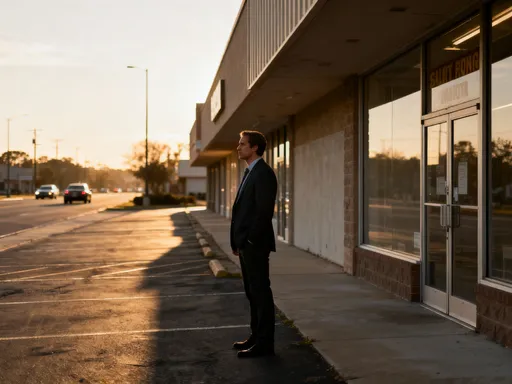
How I Navigated Commercial Property Investing—Real Gains, Real Risks
What if the key to long-term wealth isn’t stocks or crypto, but something far more tangible? I dove into commercial property investment after years of rental headaches, and the journey reshaped my financial reality. It wasn’t a get-rich-quick scheme—far from it. Between hidden liabilities and leasing surprises, I learned the hard way. Here’s what actually worked, what nearly backfired, and how smart moves can turn brick and mortar into lasting value. This isn’t a story of overnight success, but of steady learning, calculated risks, and the quiet power of compounding returns through real assets. If you’ve ever considered stepping beyond residential real estate, this is the honest look at commercial property investing that few are willing to share.
Why Commercial Property Caught My Attention
After building a modest portfolio of residential rental properties over nearly a decade, I began to see the limitations of relying solely on single-family homes and small multifamily units. While they provided some steady income, the returns were often thinner than expected. Cap rates in my local market hovered around 4% to 5%, and after accounting for maintenance, vacancies, and tenant turnover, the net cash flow felt more like a side hustle than a wealth-building engine. What frustrated me most was the unpredictability—tenants breaking leases early, unexpected repair bills, and the emotional toll of managing difficult rental situations. I realized I needed a different approach, one that offered more stability and scalability.
That’s when I started looking seriously at commercial real estate. At first, it seemed intimidating—larger deals, more complex leases, and higher stakes. But as I studied the market, I noticed a pattern: businesses tended to be more reliable tenants than individuals. A retail store or service provider leasing space wasn’t just looking for shelter; they were investing in their own operations. That meant longer lease terms, typically five to ten years, often with clauses for annual rent increases. Unlike residential tenants who might move out with 30 days’ notice, commercial tenants had more at stake—build-out costs, brand visibility, customer access—which made them less likely to leave abruptly.
Another advantage was the structure of operating expenses. In many commercial leases, particularly triple-net (NNN) agreements, tenants were responsible for property taxes, insurance, and maintenance. This shifted a significant portion of the financial burden away from the landlord and created a more predictable income stream. I also observed that commercial properties often had higher barriers to entry, which limited competition and helped maintain pricing power. While residential real estate was crowded with individual investors and flippers, commercial deals required more capital and expertise, creating pockets of opportunity for those willing to do the work.
My initial foray wasn’t a bold leap. I started by analyzing listings in secondary markets—suburban corridors with stable populations and consistent retail demand. I focused on small retail strips, standalone office buildings, and light industrial units that were under $1 million in value. These weren’t trophy assets, but they offered entry points with manageable risk. I attended local real estate networking events, spoke with brokers, and reviewed public records to understand lease expirations and tenant histories. What surprised me most was how differently business owners approached leasing. They cared about foot traffic, parking, signage, and long-term viability—factors that aligned more closely with investment fundamentals than emotional appeal.
Over time, I realized that commercial real estate wasn’t just about earning rent—it was about participating in the economy at a deeper level. Every lease renewal, every renovation decision, every tenant negotiation reflected broader trends in consumer behavior, local employment, and business confidence. That connection to real economic activity gave me a sense of control and purpose that residential investing never did. It wasn’t just about collecting checks; it was about stewarding assets that served a community and generated value over time. This shift in mindset laid the foundation for my transition from a passive residential landlord to an active commercial investor.
The First Deal: Excitement, Due Diligence, and Reality Check
My first commercial purchase was a 12,000-square-foot retail strip in a growing suburban corridor, anchored by a national pharmacy chain that occupied 60% of the space. On paper, it looked ideal: a stabilized asset with a 7.2% cap rate, long-term leases, and minimal vacancy. The remaining units were occupied by a dry cleaner, a nail salon, and a small insurance agency—all paying consistent rent. I felt confident. After months of research, this felt like the perfect entry point into commercial real estate. I secured financing through a local bank, closed the deal, and celebrated what I thought was a smart, disciplined investment.
Within six months, reality set in. A routine inspection revealed significant issues with the roof—originally reported as “in good condition” during the pre-purchase assessment. Further investigation showed that the previous owner had patched problems over the years rather than replacing the system. The structural engineer estimated a full replacement would cost over $120,000. Since the pharmacy was on a triple-net lease, they weren’t responsible for major structural repairs—those fell to me as the landlord. I had budgeted for minor maintenance, but this was a capital expense I hadn’t anticipated. I had to tap into reserves and delay other planned acquisitions to cover the cost.
That experience was a harsh but necessary lesson in the depth of due diligence required in commercial real estate. I had reviewed the rent roll, checked tenant creditworthiness, and verified lease terms—but I hadn’t gone deep enough on the physical condition of the building. I learned that in commercial deals, the property itself is only part of the equation. Zoning restrictions, environmental reports, title issues, and compliance with ADA standards can all create hidden liabilities. For example, I discovered that the parking lot didn’t meet current accessibility requirements, which meant future renovations would need to include upgraded ramps and signage—another unbudgeted expense.
More importantly, I realized that commercial real estate isn’t about buying income—it’s about buying risk-adjusted cash flow. The headline cap rate looked attractive, but it didn’t reflect the true cost of ownership. A property with a lower cap rate but fewer deferred maintenance issues might actually deliver better long-term returns. I began to evaluate deals not just on yield, but on durability: How old is the HVAC system? When do leases expire? Is the location vulnerable to changing traffic patterns? These questions became central to my investment criteria.
The silver lining was that the pharmacy anchor stayed through the roof replacement, and the other tenants remained stable. Once the repairs were complete, the property resumed its steady income stream. But the emotional and financial strain taught me to slow down, to spend more time on site visits, and to bring in specialists early in the process. I now hire independent inspectors, review municipal records for code violations, and consult with property managers who have experience in the asset class. My first deal didn’t fail—but it came close. And that near-miss transformed the way I approach every investment since.
Cash Flow vs. Appreciation: Where the Real Money Is
One of the most persistent myths in real estate is that wealth comes primarily from property appreciation—buying low, waiting for values to rise, and selling high. While appreciation can play a role, especially in fast-growing markets, my experience has shown that the real, consistent money in commercial real estate comes from cash flow. Unlike residential properties, where rent adjustments are often limited by tenant turnover and market sensitivity, commercial leases typically lock in rental rates for extended periods, sometimes with built-in annual escalations. This predictability creates a reliable income stream that can weather economic fluctuations and serve as a foundation for long-term financial planning.
I own two properties that illustrate this contrast clearly. The first is a single-tenant office building leased to a regional accounting firm on a ten-year triple-net lease with 2% annual rent increases. The cap rate at acquisition was 6.5%, and while the property has appreciated modestly due to low interest rates and strong demand for office space in the area, the real benefit has been the uninterrupted cash flow. Every month, the tenant pays rent, covers all operating expenses, and handles routine maintenance. My role is minimal—review insurance certificates, monitor lease compliance, and plan for the distant renewal. This asset functions like a bond: low volatility, steady returns, and high predictability.
The second property is a small shopping center I acquired at a discount because it was underperforming. Occupancy was only 65%, and the anchor tenant—a discount retailer—was losing sales due to poor visibility and outdated interiors. I saw potential. Over 18 months, I invested in facade improvements, better lighting, new signage, and upgraded common areas. I also renegotiated leases with stronger tenants, including a fitness studio and a popular coffee chain. The result? Occupancy rose to 92%, and the property’s net operating income increased by 40%. When I refinanced two years later, the new appraisal reflected a 35% increase in value. In this case, appreciation played a major role—but it was driven by active management and capital investment, not passive market forces.
The contrast between these two holdings reveals an important truth: strategy shapes returns. The office building delivers stability, while the shopping center offers growth. But neither would have succeeded without a clear understanding of the market, tenant needs, and long-term goals. I’ve learned that chasing “the next hot market” or betting on rapid appreciation can be risky, especially when financing is tight and interest rates are volatile. Instead, I focus on assets where cash flow is strong and sustainable, even if growth is slower. This approach reduces reliance on perfect market timing and allows me to compound returns over time through reinvestment and disciplined management.
For investors seeking lasting wealth, cash flow is the engine. Appreciation is the bonus. By prioritizing properties with reliable tenants, long leases, and manageable expenses, I’ve built a portfolio that generates income regardless of market cycles. That financial anchor has given me the confidence to hold through downturns, avoid panic selling, and continue acquiring assets when others pull back. In commercial real estate, patience and consistency often outperform speculation.
Managing Risk: It’s Not Just About the Property
One of the most sobering moments in my investing journey came when a mid-sized service tenant—a dental practice—closed its location unexpectedly after three years. They had been a reliable payer, occupying 40% of a mixed-use building I owned. Their departure left a large vacancy overnight and erased nearly half my monthly income from that asset. I had assumed that a professional business with a long lease would be stable, but I underestimated the impact of changing patient demographics and rising overhead costs on their operations. This experience forced me to confront a fundamental truth: in commercial real estate, risk extends far beyond the physical property. Tenant concentration, lease structure, and economic sensitivity are equally critical.
Before this event, I hadn’t fully appreciated the danger of overreliance on a single tenant. While having one strong anchor can simplify management, it also creates vulnerability. If that tenant leaves, the financial impact is immediate and severe. Since then, I’ve made diversification a core principle. I now prioritize properties with multiple tenants across different industries—retail, professional services, healthcare, and light industrial. This spreads the risk and increases resilience. For example, during the same economic period when the dental office closed, my retail units remained stable because consumer spending on essentials held steady. Diversification doesn’t eliminate risk, but it reduces the likelihood of a single event derailing an entire investment.
I also pay closer attention to lease terms. A long lease isn’t always better if it locks in below-market rent or lacks escalation clauses. I now analyze lease expirations across my portfolio to avoid clustering—having multiple leases end in the same year, which could lead to cash flow disruption during a downturn. I use a simple spreadsheet to track expiration dates, rent levels, and tenant types, allowing me to plan ahead for renewals or re-leasing efforts. Additionally, I prefer leases with periodic rent increases, either fixed or tied to inflation, to protect against purchasing power erosion over time.
Another tool I’ve adopted is stress-testing. Before acquiring a property, I model different scenarios: What if occupancy drops by 20%? What if interest rates rise by 2%? What if a major tenant defaults? These exercises help me assess whether the asset can withstand adversity without requiring emergency capital. I also consider geographic resilience—focusing on areas with diversified economies, strong employment bases, and limited new supply that could depress rents. Properties in towns with a single major employer or overbuilt retail corridors carry higher risk, even if the initial numbers look good.
Risk management in commercial real estate isn’t about avoiding all danger—it’s about understanding exposure and preparing for it. By shifting from a reactive mindset to a proactive one, I’ve been able to make more informed decisions, protect my capital, and maintain steady returns even in uncertain times. The goal isn’t to eliminate risk, but to manage it intelligently.
The Hidden Costs Everyone Ignores
When evaluating commercial real estate deals, most investors focus on the obvious metrics: purchase price, rental income, cap rate, and net operating income (NOI). These are important, but they don’t tell the whole story. Over time, I’ve learned that the hidden costs—often overlooked in initial projections—can erode profits and turn a seemingly strong investment into a break-even burden. These expenses aren’t always large, but they are persistent, and they compound over time.
One of the most significant hidden costs is tenant improvement (TI) allowances. Early in my commercial journey, I approved a $50,000 TI package to attract a boutique fitness studio to a vacant unit. The lease was for seven years, and I believed the long term justified the upfront cost. But the business struggled to build a client base and left after just 28 months. I was left with a fully built-out space featuring specialized flooring, mirrors, and ventilation—customizations that didn’t suit most other tenants. It took over a year to find a new occupant, and I had to invest another $20,000 to reconfigure the unit. The lesson was clear: generous TI packages can be necessary, but they carry rollover risk. Now, I cap TI allowances, require longer lease terms for larger build-outs, and consider shared responsibility models where tenants contribute to initial improvements.
Legal and compliance costs are another area where expenses add up. Commercial leases are complex documents, and every renewal or dispute requires legal review. I’ve spent thousands on attorneys to draft, negotiate, and enforce leases—costs that don’t exist in residential investing to the same degree. There are also regulatory requirements: ADA compliance, fire safety inspections, environmental assessments, and zoning verification. These aren’t one-time expenses; they recur with renovations, tenant changes, or municipal audits. I now budget for legal and compliance as a fixed line item in my annual operating plan.
Insurance premiums have also surprised me. Commercial property insurance is significantly more expensive than residential, especially for older buildings or those in high-risk areas. I’ve seen premiums increase by 15% to 20% in a single year due to broader market trends, not property-specific issues. I’ve learned to shop around, bundle policies, and invest in risk mitigation—like security systems and regular maintenance—to keep costs manageable.
Finally, property management fees are higher in commercial real estate, often ranging from 4% to 6% of gross income, compared to 8% to 10% for residential. While the percentage is lower, the complexity of managing commercial tenants—handling CAM reconciliations, coordinating maintenance, enforcing lease terms—means the work is more demanding. I’ve chosen to hire specialized property managers with commercial experience, which adds to the cost but reduces my personal liability and improves tenant relations.
These hidden costs don’t make commercial real estate a bad investment—they make it a more sophisticated one. Success requires not just analyzing the income, but understanding the full cost of ownership. By building a more realistic financial model that includes these often-overlooked expenses, I’ve been able to make better decisions and avoid unpleasant surprises.
Financing Differently: How Debt Works in Commercial Deals
One of the biggest adjustments I had to make when moving from residential to commercial real estate was understanding how financing works. Residential mortgages are relatively standardized: fixed or adjustable rates, 15- or 30-year terms, and underwriting based largely on personal credit and income. Commercial loans, on the other hand, are asset-based. Lenders care more about the property’s performance—its net operating income, occupancy rate, and lease quality—than my personal financials. This shift in focus changes everything.
My first commercial loan came from a regional bank. It was a five-year fixed-rate loan with a 25-year amortization and a 70% loan-to-value ratio. The interest rate was higher than what I’d paid on residential properties, but the structure made sense for the investment. However, the loan came with a personal guarantee, meaning I was personally liable if the property defaulted. This was a significant risk, and I had to weigh it carefully. I also learned about prepayment penalties—clauses that charge a fee if you pay off the loan early. In one case, a yield maintenance clause would have cost me over $30,000 to refinance just two years into the loan. These terms forced me to think longer-term about my exit strategy.
Later, I explored CMBS (Commercial Mortgage-Backed Securities) loans, which are pooled and sold to investors. These loans typically offer lower rates and longer terms—sometimes up to ten years—but come with less flexibility. They are non-recourse in most cases, which limits personal liability, but they have strict default consequences and limited options for modification. I used a CMBS loan to finance a portfolio acquisition, but I had to accept rigid reporting requirements and inflexible terms. The trade-off was lower cost for less control.
Over time, I’ve learned to structure debt strategically. I aim for a balance between fixed and variable rates, stagger loan maturities to avoid refinancing all at once, and maintain conservative loan-to-value ratios—typically below 75%. I also prioritize properties with strong debt service coverage ratios (DSCR), ideally above 1.25x, to ensure the property can cover its mortgage even if income dips slightly. This disciplined approach to financing has allowed me to preserve cash flow, avoid over-leveraging, and maintain financial flexibility.
Debt in commercial real estate isn’t just a tool to buy property—it’s a strategic component of the investment itself. By understanding the nuances of loan terms, guarantees, and covenants, I’ve been able to use leverage effectively without exposing myself to unnecessary risk. The right financing doesn’t just make a deal possible; it makes it sustainable.
Building a Sustainable Portfolio: Lessons That Stick
Looking back on my journey in commercial property investing, I realize that my most valuable lessons didn’t come from the highest-return deals, but from the ones that tested my resilience. The real measure of success isn’t how much you make in a single year, but whether your portfolio can endure economic shifts, tenant turnover, and unexpected costs without collapsing. I’ve learned to prioritize quality over yield, stability over speculation, and long-term thinking over short-term gains. These principles now guide every decision I make.
I focus on asset quality first. That means well-located properties with durable construction, functional layouts, and access to infrastructure. A slightly lower cap rate on a superior asset is often a better long-term bet than a high yield on a property with hidden flaws. I also emphasize lease diversity—mixing tenant types, lease lengths, and industries to reduce concentration risk. Geographic resilience matters too. I avoid overexposed markets and instead look for towns with stable populations, diverse economies, and limited new supply that could undercut rents.
Patience has become my greatest ally. Commercial real estate isn’t a fast game. It takes time to find the right deal, negotiate terms, secure financing, and manage operations. But that slow pace allows for careful analysis, relationship building, and strategic planning. I no longer chase deals out of fear of missing out. Instead, I wait for opportunities that align with my criteria, even if that means holding cash for months at a time.
Finally, I’ve embraced continuous learning. The market evolves—tenant preferences shift, regulations change, and economic conditions fluctuate. Staying informed through industry publications, networking with other investors, and consulting with experts has kept me adaptable. Commercial property isn’t a shortcut to wealth, but for those willing to do the work, it can be a powerful vehicle for lasting financial growth. The bricks and mortar are just the beginning; the real value is built through discipline, knowledge, and resilience.