What I Learned About Will Planning the Hard Way – Risk Mistakes to Avoid
I used to think writing a will was just about deciding who gets the old family watch. Then life hit — a sudden illness, a strained family talk, and I realized how fragile everything felt. Without clear planning, even simple estates can spiral. This isn’t just about death; it’s about control, clarity, and protecting the people you care about. Let me walk you through the real risks most people overlook — and what actually works when it matters most.
The Wake-Up Call: Why Will Planning Isn’t Just for the Wealthy
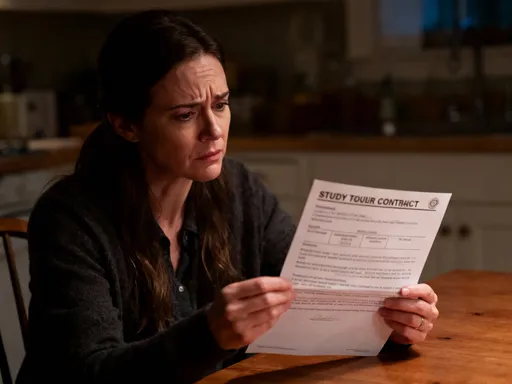
Many people believe that estate planning is only necessary for the elderly or those with substantial wealth. This misconception leaves millions vulnerable, especially younger adults who assume they have time. But life is unpredictable. Consider the case of a 38-year-old marketing professional who, after being diagnosed with a serious illness, found herself unable to make medical or financial decisions as her condition worsened. Without a will or any legal directives in place, her family faced confusion, delays, and mounting stress during an already difficult time. The absence of a clear plan meant that state laws — not her wishes — determined how her assets would be distributed and who would care for her minor child.
This scenario is not rare. According to recent data, only about 40% of American adults have a will, and the numbers are even lower among those under 50. Yet, even modest estates — a home, a retirement account, a car — require guidance to avoid legal complications. When someone dies without a will, the process is called intestacy, and it places the burden on the court to decide asset distribution. This often results in outcomes that do not reflect the deceased’s true intentions. For instance, a surviving sibling might inherit property meant for a long-term partner simply because they are not legally recognized without formal documentation.
Will planning is not a luxury; it is a foundational element of financial responsibility. It protects dependents, minimizes family conflict, and ensures that hard-earned assets go where they are intended. More than that, it includes essential tools like advance healthcare directives and powers of attorney, which allow individuals to appoint trusted people to make decisions if they become incapacitated. These documents are not signs of pessimism, but of foresight. They reflect a commitment to reducing uncertainty for loved ones when emotions are already high.
For many families, especially those led by women who often serve as emotional and logistical anchors, the absence of a plan can unravel years of stability. A mother without a will leaves her children’s future in legal limbo. A spouse without clear instructions may struggle to access joint accounts or manage final expenses. The cost of not acting — emotionally, financially, and legally — far outweighs the effort of creating a simple, thoughtful estate plan. The truth is, will planning is not about preparing for death; it is about preserving dignity, clarity, and love in the face of life’s unpredictability.
Hidden Risks in the Shadows: What Most People Miss
While many focus on the main provisions of a will — who inherits the house or the jewelry — there are critical details that often go unnoticed but can override the entire document. One of the most common and dangerous oversights involves beneficiary designations on financial accounts. Retirement accounts, life insurance policies, and payable-on-death bank accounts transfer directly to named beneficiaries, regardless of what a will states. This means that even if a will clearly leaves everything to a current spouse, an old 401(k) designation listing a former partner could legally transfer that asset to the ex-spouse instead.
These errors are more common than most realize. People change relationships, but forget to update paperwork. A study by a national financial advisory group found that nearly 30% of retirement accounts still list outdated beneficiaries, often from marriages that ended decades ago. The legal system honors these designations unless formally changed, which can lead to unintended disinheritance of current spouses or children. In one documented case, a widow discovered after her husband’s passing that his IRA had been left to his first wife, who had remarried and moved out of state. Despite their 20-year marriage, she received nothing from that account — a result not of malice, but of neglect.
Another overlooked risk involves joint ownership of assets. While adding a child’s name to a bank account or deed may seem like a practical way to ensure access later, it can create legal complications. The moment a name is added, that person becomes a legal co-owner, which means creditors can claim the asset if the child faces financial trouble. It also removes control from the original owner and can trigger gift tax implications. Worse, if multiple children are not treated equally in this way, it can breed resentment and conflict, even if the intention was simply convenience.
Digital assets represent another blind spot. Social media profiles, email accounts, cloud storage, and cryptocurrency wallets often contain valuable or sentimental information, yet most people leave no instructions for accessing them. Without login details or a digital estate plan, families may be locked out permanently, losing photos, messages, and even financial accounts. Some platforms allow legacy contacts, but these must be set up in advance. Failing to plan for digital presence can leave behind a fragmented legacy, with pieces of a person’s life scattered and inaccessible.
The Family Factor: Emotions, Expectations, and Unfair Perceptions
Even the most carefully drafted will can fail if it does not consider the emotional landscape of family relationships. Inheritance is rarely just a financial transaction; it carries deep symbolic weight. When distributions feel unfair — whether due to unequal shares, favoritism, or lack of explanation — the result is often resentment, conflict, and even litigation. Legal challenges to wills are more common than many assume, and they can drain estates, delay distributions, and permanently damage family bonds.
Blended families face unique challenges. When one spouse has children from a previous relationship, questions arise about fairness and loyalty. If a will leaves the majority of assets to the surviving spouse with nothing designated for adult stepchildren, it may be seen as a rejection, even if that was never the intention. Similarly, if a parent chooses to leave more to a child with special needs, others may interpret it as unequal treatment rather than necessary support. Without context, assumptions fill the silence, and misunderstandings grow.
Transparency is key to preventing conflict. While it is not necessary to disclose exact dollar amounts, explaining the reasoning behind decisions can go a long way. A simple conversation — “I’m leaving the family home to your sister because she lives there and has maintained it for years” — can prevent years of bitterness. Documenting these explanations in a letter of intent, which accompanies the will but is not legally binding, allows for personal expression without legal risk.
Timing and tone matter. These conversations should happen when emotions are calm, not in the shadow of illness or loss. Some families find it helpful to involve a neutral third party, such as an estate planner or financial advisor, to facilitate the discussion. Others choose to hold a family meeting where the plan is shared and questions are welcomed. The goal is not to seek approval, but to foster understanding. When people feel heard and respected, they are far less likely to challenge decisions later. Ultimately, a will is not just a legal document — it is a final act of care, and how it is communicated shapes how it is received.
Executor Errors: Choosing the Right Person (and Backup)
One of the most important decisions in estate planning is selecting an executor — the person responsible for carrying out the terms of the will. This role involves managing assets, paying debts, filing taxes, distributing property, and navigating the probate process, which can be complex and time-consuming. Yet, many people choose their executor based on emotion rather than capability, naming a spouse, adult child, or sibling without considering whether they have the skills, availability, or emotional resilience to handle the task.
The risks of a poor choice are significant. An unprepared executor may miss deadlines, mismanage funds, or struggle with legal paperwork, leading to delays and increased costs. In one case, a daughter named as sole executor of her mother’s estate became overwhelmed by the responsibilities while grieving. She failed to file the will on time, which triggered a court investigation and delayed distributions by over a year. Family members grew frustrated, accusations were made, and what should have been a smooth transition turned into a source of lasting tension.
Age and health are also critical factors. Naming an aging parent as executor may seem logical, but if they pass before the testator, the plan collapses unless a successor is named. Similarly, choosing a child who lives across the country may create logistical challenges, especially if court appearances are required. Emotional involvement can also cloud judgment. A grieving spouse may struggle to make objective decisions, particularly if disputes arise among beneficiaries.
A better approach is to consider a neutral third party, such as a professional fiduciary, trust company, or experienced attorney. These individuals bring expertise, objectivity, and continuity. Alternatively, co-executors can be named — for example, one family member and one professional — to balance personal insight with technical knowledge. Most importantly, a backup executor should always be designated. Life is unpredictable, and having a contingency plan ensures that the estate will be managed even if the first choice is unable or unwilling to serve. Choosing the right executor is not about trust alone; it is about ensuring competence, availability, and resilience when it matters most.
Digital and Debts: The Modern Estate Blind Spots
The modern estate includes far more than physical assets. Digital accounts — from email and social media to online banking and cryptocurrency — now form a significant part of personal and financial life. Yet, most estate plans do not address how these assets should be handled. Without clear instructions, families may be unable to access important information, close accounts, or recover valuable digital property. Some platforms have legacy policies, but they vary widely, and access often requires passwords or formal verification, which may not be available after death.
Creating a digital inventory is a crucial step. This document should list all online accounts, usernames, security questions, and instructions for each — whether to delete, archive, or transfer ownership. It should be stored securely, perhaps with an attorney or in a password-protected digital vault, and shared only with trusted individuals. For cryptocurrency, private keys must be documented and safeguarded, as losing them means losing access permanently. Without this planning, digital assets can vanish or become traps — for example, recurring subscriptions that continue charging a deceased person’s account, leading to debt accumulation.
Debts are another often-ignored reality. Contrary to popular belief, debts do not disappear when a person dies. Credit card balances, medical bills, mortgages, and personal loans become obligations of the estate. The executor is responsible for paying these from available assets before distributions to beneficiaries. If debts exceed assets, the estate may be insolvent, leaving heirs with nothing. In some cases, family members mistakenly believe they are personally liable, causing unnecessary stress. While they are generally not responsible for the deceased’s debts unless they co-signed, the emotional burden can be heavy.
Addressing debts in the estate plan helps prevent surprises. A clear record of outstanding obligations allows the executor to prioritize payments and avoid legal complications. Life insurance can also play a strategic role, providing liquidity to cover final expenses and debts without forcing the sale of property. By acknowledging both digital assets and debts, individuals create a more complete and realistic plan — one that protects their legacy and spares their loved ones from avoidable burdens.
Flexibility vs. Finality: Building in Safeguards Without Overcomplicating
A well-crafted will should be both clear and adaptable. Life changes — marriages, divorces, births, deaths, and shifts in financial status — can quickly render a rigid document outdated. Yet, constantly revising a will is impractical. The solution lies in building flexibility into the estate plan without sacrificing clarity. This means anticipating change and designing provisions that respond to it, rather than trying to predict every possible scenario.
One effective tool is the use of trusts. A revocable living trust, for example, allows assets to bypass probate and be managed according to specific instructions. It can include provisions that adapt to circumstances — such as delaying a child’s inheritance until they reach a certain age or meet specific conditions like completing college. Trusts can also protect assets from creditors or ensure that a spouse is cared for while preserving the remainder for children from a previous marriage. Unlike a will, a trust can remain private and avoid public court proceedings, offering both control and discretion.
Conditional clauses can also add resilience. For instance, a will might state that a beneficiary receives their share only if they are alive at the time of distribution, preventing unintended transfers if someone predeceases the testator. Substitute beneficiaries should always be named to cover such cases. Similarly, language can be included to address changes in family structure — such as “my spouse” being defined as the person legally married at the time of death, which automatically excludes former partners without requiring a document update.
The goal is not to create a complex legal maze, but to build a framework that holds up over time. Regular reviews — every three to five years, or after major life events — ensure the plan remains aligned with current wishes. Simplicity is valuable, but so is foresight. A plan that anticipates change is more likely to succeed when it matters most. By balancing structure with adaptability, individuals gain confidence that their intentions will be honored, even as life unfolds in unexpected ways.
Making It Real: From Draft to Peace of Mind
Creating an estate plan is not a one-time event; it is an ongoing process of reflection, communication, and action. The first step is consulting a qualified estate attorney who understands local laws and can help translate intentions into legally sound documents. While online templates exist, they often fail to address state-specific requirements or complex family dynamics. A professional ensures that the will is valid, clear, and enforceable, reducing the risk of challenges or misinterpretation.
Once documents are prepared, they must be stored safely but accessibly. A fireproof home safe or a safety deposit box can work, but it is essential that the executor and trusted family members know where to find them. Some choose to give copies to their attorney or use a digital estate platform that provides secure access to authorized individuals. The key is to avoid situations where the will cannot be located when needed — a surprisingly common problem that can delay probate for months.
Equally important is informing key people. The executor, beneficiaries, and anyone named in healthcare directives should know their roles and where documents are kept. These conversations do not need to be formal, but they should be clear. Letting a daughter know she is named as power of attorney, or telling a son he will manage digital accounts, prepares them for their responsibilities and reduces confusion later. These discussions also offer a chance to explain intentions, reinforcing the emotional purpose behind the legal choices.
Finally, scheduling regular reviews ensures the plan stays current. Life evolves, and so should the will. A new grandchild, a move to another state, or a significant change in assets may require updates. Setting a calendar reminder every few years creates a habit of maintenance, turning estate planning into a routine part of financial health. Perfection is not the goal — thoughtful progress is. Every step taken brings greater peace of mind, not just for the individual, but for everyone they love. Clarity today builds calm tomorrow, and in the end, that is the greatest gift a person can leave behind.