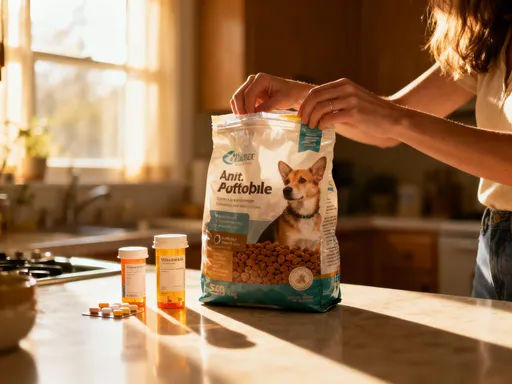
How I Slashed My Pet Supply Bills Without Sacrificing Care
When I first adopted my dog, I had no idea how fast pet supply costs could spiral. Between food, treats, flea meds, and toys, my monthly spending felt out of control. I wasn’t alone—many pet owners overspend without realizing it. That’s why I dug into smarter ways to manage expenses. What I discovered wasn’t about cutting corners, but optimizing choices. This is how I kept my pet healthy while saving real money—no hype, just honest, tested steps that actually work.
The Hidden Cost of Loving Your Pet
Pet ownership is a source of deep joy, companionship, and emotional fulfillment, especially for those managing busy households or raising children. Yet, beneath the affection lies a financial reality many are unprepared for: the steady accumulation of pet-related expenses. From premium kibble to designer collars, parasite control, grooming supplies, and emergency vet visits, the costs add up quickly—often silently. A 2023 report by the American Pet Products Association estimated that the average dog owner spends over $1,500 annually on routine care, excluding major medical events. For cat owners, that figure still exceeds $1,000. These numbers don’t include one-time costs like crates, beds, or training tools, which can push first-year expenses well beyond $2,000.
One of the biggest contributors to overspending is emotional decision-making. When standing in a pet store aisle, holding a bag of food labeled “organic,” “natural,” or “vet-recommended,” it’s easy to assume higher price equals better care. But marketing often exploits this instinct. Terms like “grain-free” or “holistic” carry emotional weight but aren’t always backed by veterinary science. In fact, the FDA has investigated links between certain grain-free diets and canine dilated cardiomyopathy, raising concerns about whether these premium-priced foods actually support long-term health. The result? Many pet owners pay 20–40% more for formulations that may not be appropriate—or even safe—for their animals.
Another hidden cost driver is convenience. Buying medications during a vet visit may feel seamless, but it often comes at a markup of 30% or more compared to licensed online pharmacies. Similarly, last-minute toy purchases or emergency refills ordered with overnight shipping can inflate spending without improving pet well-being. The emotional bond between owner and pet makes it difficult to pause and evaluate whether a purchase is necessary or simply impulsive. This is especially true for mothers or caregivers who view pet care as an extension of family nurturing. The desire to provide the “best” can inadvertently lead to financial strain, particularly when household budgets are already tight.
Recognizing these patterns is the first step toward financial clarity. Loving your pet doesn’t require maxing out credit cards or sacrificing other family needs. Instead, it calls for intentionality—understanding where money goes, identifying unnecessary markups, and making informed choices that align with both pet health and household sustainability. The goal isn’t frugality at the expense of care, but rather financial awareness that empowers smarter decisions without guilt.
Why Cost Optimization Beats Cheap Substitutes
Saving money on pet supplies is not the same as choosing the cheapest option available. In fact, opting for low-cost products without evaluating quality can lead to higher expenses in the long run—especially when pet health is compromised. True cost optimization is a strategic approach that balances price, quality, and long-term value. It involves analyzing product efficacy, usage frequency, and overall impact on a pet’s well-being. For example, a $30 flea treatment that lasts six months offers better value than a $15 product requiring monthly application—even if the upfront cost seems higher. This principle applies across categories, from food to grooming supplies.
One common mistake is equating brand recognition with quality. While reputable brands often invest in research and safety testing, they also charge premiums for packaging, advertising, and distribution. Store brands or generic equivalents, particularly from trusted retailers, can offer identical active ingredients at a fraction of the cost. A study published in the Journal of the American Veterinary Medical Association found that generic heartworm preventatives were equally effective as name-brand versions when sourced from licensed providers. The key is not avoiding name brands altogether, but questioning whether the price difference justifies the benefit.
Another dimension of optimization is timing. Purchasing during seasonal sales, holiday promotions, or subscription-based discounts allows owners to lock in lower prices without sacrificing product integrity. For instance, buying a six-month supply of joint supplements during a 20% off promotion reduces the per-dose cost significantly. Similarly, bundling purchases across categories—such as combining food, treats, and dental chews in a single order—can qualify for free shipping or volume-based savings. These strategies require planning but yield consistent financial relief.
Perhaps most importantly, cost optimization preserves peace of mind. When pet owners know they’re making informed, value-driven choices, they avoid the anxiety of overspending or the regret of compromising care. It shifts the focus from reactive spending to proactive budgeting. This mindset is especially valuable for families managing multiple financial responsibilities, where every dollar must serve a clear purpose. By prioritizing long-term value over short-term savings, pet owners protect both their pet’s health and their household’s financial stability.
Mastering the Pet Food Puzzle
Pet food typically represents the largest recurring expense in pet ownership, often accounting for 40–50% of annual supply costs. Yet, many owners make feeding decisions based on packaging claims rather than nutritional analysis. Phrases like “premium,” “limited ingredient,” or “grain-free” are powerful marketing tools, but they don’t always translate to better health. In fact, the nutritional adequacy of a pet food depends on factors invisible to casual shoppers: ingredient sourcing, protein quality, digestibility, and caloric density. Understanding these elements is essential for making cost-effective choices without compromising nutrition.
Reading pet food labels is the first step toward informed decision-making. The ingredient list is ordered by weight, so the first few items represent the bulk of the formulation. A high-quality dog food should list a named animal protein—such as “chicken” or “salmon”—as the first ingredient, not “meat meal” or “by-products.” However, even this rule has nuances. Some by-products, like liver or kidneys, are nutrient-dense and perfectly safe. The real issue arises when low-cost fillers like corn, soy, or wheat dominate the list, offering minimal nutritional value while increasing shelf weight. These ingredients are often used to reduce production costs, yet they’re sold at premium prices due to attractive branding.
Another critical factor is life-stage appropriateness. Puppies, adult dogs, and seniors have different caloric and nutrient needs. Feeding a puppy formula to an adult dog can lead to excessive calorie intake and weight gain, which in turn increases the risk of joint problems, diabetes, and other health issues. These conditions result in higher veterinary costs down the line, effectively negating any perceived savings from cheaper food. Conversely, feeding a senior dog a high-energy formula may cause restlessness or digestive discomfort. Selecting the right life-stage formula ensures optimal health and prevents unnecessary medical spending.
Portion control is equally important. Many owners overfeed their pets, either out of affection or misunderstanding of serving sizes. The Association for Pet Obesity Prevention reports that over 60% of dogs and cats in the U.S. are overweight or obese, largely due to excessive feeding and treat frequency. Using a measuring cup and following feeding guidelines on the packaging can prevent waste and maintain a healthy weight. Additionally, transitioning to a more nutrient-dense food may allow for smaller portion sizes while still meeting dietary needs—further reducing consumption rates and monthly costs.
Smart Shopping for Medications and Preventatives
Pet medications, particularly prescription preventatives for fleas, ticks, and heartworm, are among the most expensive recurring costs. Yet, these products are also some of the easiest to purchase more affordably without risk. Veterinary clinics often charge markups of 25–50% on medications to cover overhead and staffing. While convenient, this pricing model can strain household budgets, especially for owners with multiple pets. The good news is that identical formulations are available through licensed online pharmacies at significantly lower prices, often with additional discounts for auto-ship subscriptions.
The key to safe and legal savings is ensuring that any online pharmacy is accredited and requires a valid prescription. Reputable platforms like VetSource, Chewy Pharmacy, and Heartgard.com operate under veterinary oversight and dispense FDA-approved medications. These services verify prescriptions directly with the prescribing veterinarian, ensuring compliance with federal regulations. Purchasing from unregulated sources, such as third-party marketplaces or international sellers, risks receiving counterfeit, expired, or improperly stored products—which can be ineffective or even dangerous.
Auto-ship programs offer another layer of savings. By enrolling in a subscription for monthly preventatives, owners can receive 10–20% discounts, free shipping, and automatic refills. This not only reduces per-unit costs but also ensures consistent protection, eliminating lapses that could lead to infestations or disease. For example, missing a single heartworm dose can leave a dog vulnerable, potentially resulting in treatment costs exceeding $1,000. Consistency, therefore, is both a health imperative and a financial safeguard.
Timing purchases with sales cycles can further enhance savings. Many retailers run promotions around holidays like Black Friday, Independence Day, or National Pet Wellness Month. Stocking up during these periods, while staying within expiration limits, allows owners to lock in lower prices for months. It’s also wise to compare prices across multiple licensed vendors, as pricing can vary even for identical products. With a bit of research and planning, medication costs can be reduced by 30% or more annually—without compromising safety or efficacy.
Building a Budget-Friendly Supply Routine
One of the most effective ways to control pet supply spending is to establish a predictable purchasing routine. This begins with tracking usage rates—how much food, treats, or litter a pet consumes per week or month. Once this baseline is established, owners can plan purchases around actual need rather than impulse or urgency. For example, if a dog eats 30 pounds of food per month, buying a 30-pound bag during a sale is smarter than purchasing two 15-pound bags at regular price. This approach prevents overstocking, reduces waste, and aligns spending with budget cycles.
A supply calendar can further streamline this process. By mapping out when key items will run out—factoring in delivery times and seasonal promotions—owners can time purchases to coincide with discounts or bundled offers. This is particularly useful for non-perishable items like collars, leashes, or dental chews. Even perishable goods like frozen food or medications can be scheduled for delivery just before depletion, minimizing spoilage risk. Some retailers offer price-matching or price-lock guarantees, adding an extra layer of financial protection.
Subscription models, when used strategically, can enhance this routine. Rather than signing up for every product, owners should reserve auto-ship for essentials with stable usage patterns—such as monthly preventatives or staple food items. This ensures consistency while capturing discounts. However, it’s important to review subscription orders regularly and adjust quantities as pets age or activity levels change. A puppy that once ate four cups of food daily may require less as an adult, and failing to update the subscription can lead to unnecessary spending.
Incorporating an emergency fund into the pet budget is another critical step. Unexpected vet visits, injuries, or chronic conditions can arise at any time. Setting aside even $25 per month builds a cushion that prevents financial stress during crises. This fund can be housed in a dedicated savings account or tracked mentally as part of the overall household budget. When combined with pet insurance—which can offset major medical costs—this approach creates a resilient financial framework that supports both pet health and family stability.
When DIY Makes Sense (And When It Doesn’t)
The idea of making pet treats or grooming products at home can be appealing, especially for those looking to save money or avoid artificial ingredients. In some cases, DIY approaches are safe, cost-effective, and even enjoyable as a family activity. Simple recipes using peanut butter (xylitol-free), pumpkin, and oats can produce tasty, healthy treats at a fraction of store-bought prices. Similarly, homemade broth or bone-based snacks can provide enrichment without additives. These small-scale efforts can reduce treat spending by 50% or more while giving owners greater control over ingredients.
However, not all DIY solutions are advisable. Attempting to formulate complete and balanced pet food at home is risky and often nutritionally inadequate. Dogs and cats have specific dietary requirements for amino acids, vitamins, and minerals that are difficult to replicate without professional guidance. A 2021 study in the Journal of the American Veterinary Medical Association found that over 90% of homemade pet diets lacked at least one essential nutrient, increasing the risk of deficiencies and long-term health problems. The savings from such efforts are false economies—they may reduce grocery bills but lead to costly vet visits later.
Similarly, replacing veterinary care with home remedies can be dangerous. Using essential oils, garlic, or herbal concoctions to treat fleas or skin conditions may seem natural, but many of these substances are toxic to pets. The ASPCA Animal Poison Control Center reports thousands of cases annually linked to unsafe home treatments. These interventions not only fail to resolve underlying issues but can worsen them, leading to emergency care and higher expenses. The same applies to delaying vaccinations or skipping dental cleanings in favor of “natural” alternatives.
The guiding principle should be safety first. DIY is appropriate only when it complements, not replaces, professional care. Baking treats, making toys from old towels, or brushing teeth at home are all beneficial when done correctly. But medical decisions, dietary formulation, and disease prevention should remain under veterinary supervision. This balance allows owners to enjoy hands-on involvement while protecting their pet’s health and avoiding costly mistakes.
Long-Term Gains: Health, Savings, and Peace of Mind
The benefits of optimizing pet supply spending extend far beyond monthly savings. When owners adopt a strategic, informed approach, they gain greater control over their household finances, reduce stress, and enhance their pet’s well-being. By eliminating unnecessary markups, avoiding impulse buys, and focusing on long-term value, families can redirect funds toward more meaningful goals—whether that’s building an emergency fund, investing in pet insurance, or simply having more flexibility in their budget. These changes don’t require deprivation; they require awareness.
Over time, consistent cost optimization leads to financial resilience. Unexpected vet bills become less daunting when there’s a cushion in place. Preventative care becomes more accessible when routine supplies are affordable. Pets benefit from more stable, consistent care, reducing the likelihood of health crises. And owners gain confidence—knowing they’re providing excellent care without financial strain. This peace of mind is perhaps the greatest return on investment.
Ultimately, loving a pet isn’t measured by how much money is spent, but by the quality of care and attention provided. Smart financial choices reflect responsibility, not吝啬ness. They allow families to enjoy the full richness of pet companionship—laughter, loyalty, and love—without the burden of avoidable expenses. By making informed, thoughtful decisions, pet owners create a sustainable model of care that lasts for years, supporting both their pet’s health and their household’s financial well-being.