How I Boosted My Bone Health Without Breaking the Rules
Bone health isn’t something most of us think about until something goes wrong. But after a minor fall left me with a surprising fracture, I realized my diet might be to blame. Turns out, what you *don’t* eat matters just as much as what you do. This is my journey through dietary changes that actually support stronger bones—no extreme restrictions, just smart swaps and science-backed choices that fit real life.
The Wake-Up Call: When a Simple Fall Changed Everything
A few years ago, I slipped on a damp kitchen floor and landed awkwardly on my wrist. It didn’t seem serious—no dramatic pain, no immediate swelling. But an X-ray revealed a small fracture, the kind more typical of someone decades older. My doctor looked at the scan, then at me, and said, “Your bones are more fragile than they should be for your age.” That moment hit harder than the fall. I had always considered myself reasonably healthy: I cooked most of my meals, avoided junk food, and walked regularly. Yet, something fundamental was missing. The diagnosis pointed to low bone density, an early sign of osteopenia—a precursor to osteoporosis. What shocked me most wasn’t the injury itself, but the realization that my skeleton had been weakening in silence, with no warning signs. I began to understand that bones, unlike muscles or skin, don’t send obvious distress signals. They erode quietly, often unnoticed, until a minor incident reveals their fragility.
This experience forced me to rethink what I knew about health. I had focused on heart health, weight management, and energy levels, but bone strength had never been on my radar. I assumed that as long as I wasn’t experiencing pain, everything was fine. But the truth is, bone loss begins as early as our thirties, accelerating in women after menopause due to declining estrogen levels. The body constantly breaks down old bone tissue and replaces it with new—this process is called remodeling. When the rate of breakdown exceeds formation, bones become porous and weak. My fracture wasn’t just bad luck; it was the result of years of unnoticed imbalance. That diagnosis became a wake-up call, not just to heal my wrist, but to rebuild my entire approach to nutrition and long-term wellness.
Why Bone Health Goes Silent: Understanding the Hidden Decline
Bone health operates in the background of our daily lives, much like the foundation of a house—strong and unnoticed until cracks begin to appear. The human skeleton is a living tissue, constantly renewing itself through a delicate balance of resorption (breaking down old bone) and formation (building new bone). Up until about age 30, most people build more bone than they lose. After that, the balance gradually shifts. Without intentional support, the body begins to lose bone mass faster than it can replace it. This process is silent because bones don’t have pain receptors in the same way muscles or joints do. You won’t feel your bone density dropping. There’s no ache to signal that your calcium stores are low or that your vitamin D levels are inadequate. The first sign for many is a fracture from a minor fall—a moment that reveals years of unnoticed weakening.
Several factors contribute to this silent decline. Age is a primary one, but it’s far from the only player. Nutrition plays a central role, and modern diets often fall short in the very nutrients bones need most. Many people consume too little calcium and vitamin D, both essential for maintaining bone integrity. At the same time, diets high in processed foods introduce elements that actively harm bone health. Excessive sodium, for example, increases calcium excretion through the kidneys. Sodas, especially those containing phosphoric acid, may disrupt the calcium-phosphorus balance, potentially leaching calcium from bones over time. Caffeine, when consumed in large amounts, can also interfere with calcium absorption, though moderate intake is generally not a concern.
Lifestyle factors compound the issue. Sedentary behavior reduces mechanical stress on bones, which is necessary to stimulate bone formation. Weight-bearing activities—like walking, climbing stairs, or lifting groceries—send signals to the body that bones need to stay strong. Without these signals, the body prioritizes other systems, quietly diverting resources away from skeletal maintenance. Additionally, smoking and excessive alcohol intake are well-documented risk factors for reduced bone density. The combination of poor nutrition, inactivity, and lifestyle stressors creates a perfect storm for bone loss—one that unfolds gradually, without fanfare, until a simple misstep leads to a broken bone.
Dietary Restrictions That Actually Help (Not Hurt) Your Bones
When most people hear the word “restriction,” they think of deprivation—cutting out entire food groups or enduring rigid rules. But the kind of dietary adjustment that supports bone health isn’t about elimination for the sake of punishment; it’s about making strategic choices that create space for better nutrition. The goal isn’t to follow a strict regimen, but to reduce habits that actively work against bone strength. For me, this meant reevaluating everyday choices: the soda I used to drink with lunch, the salty snacks I reached for in the afternoon, and the extra glass of wine at dinner. These weren’t indulgences I thought twice about—until I learned how they were quietly undermining my skeleton.
One of the most impactful changes was reducing sodium intake. The average adult consumes far more salt than recommended, often from processed and packaged foods. High sodium levels increase the amount of calcium excreted in urine, meaning that even if you’re eating calcium-rich foods, your body may not retain as much as it should. By switching from canned soups to homemade versions, choosing low-sodium versions of pantry staples, and seasoning with herbs instead of salt, I was able to significantly lower my sodium load. Another key adjustment was cutting back on carbonated beverages, particularly dark sodas. While the evidence on soda and bone health is not definitive, several studies suggest a link between high soda consumption and lower bone density, possibly due to phosphoric acid or the displacement of calcium-rich drinks like milk.
Caffeine was another area of focus. I didn’t give up coffee entirely—two cups a day is generally considered safe—but I stopped drinking it with meals, as caffeine can slightly reduce calcium absorption. I also became mindful of alcohol. More than one drink per day has been associated with increased fracture risk, likely due to its effects on balance, hormone levels, and bone cell activity. By limiting alcohol to special occasions and choosing water or herbal tea instead, I reduced another silent threat. These changes weren’t about perfection. They were about tipping the balance in favor of bone support, not sabotage. Restriction, in this context, became an act of care—a way to protect what matters by gently setting aside what doesn’t.
The Calcium Conundrum: Beyond Just Drinking Milk
When I first started researching bone health, I assumed the solution was simple: drink more milk. After all, dairy has long been promoted as the go-to source of calcium. But as I dug deeper, I realized that calcium intake is only part of the story. The real challenge isn’t just consuming calcium—it’s ensuring the body can absorb and use it effectively. And not all calcium sources are created equal. While milk, yogurt, and cheese are rich in bioavailable calcium, they aren’t the only options, nor are they suitable for everyone. Many adults are lactose intolerant, and others choose to limit dairy for personal or ethical reasons. The good news is that calcium can be found in a variety of non-dairy foods, though some come with caveats.
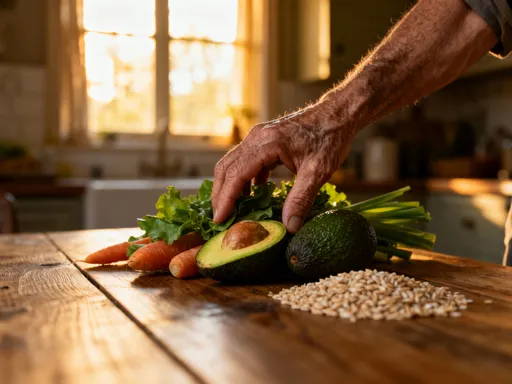
Leafy green vegetables like kale, bok choy, and collard greens are excellent sources of calcium, and the body absorbs it well from these plants. However, not all greens are equal. Spinach, for example, contains high levels of oxalates—compounds that bind to calcium and reduce its absorption. So while spinach is nutritious, it’s not an efficient way to boost calcium levels. Fortified foods, such as plant-based milks, orange juice, and breakfast cereals, can also contribute significantly, especially when consumed regularly. Canned fish with edible bones—like sardines and salmon—are another powerful option, providing both calcium and vitamin D in a single serving. Nuts and seeds, particularly almonds and chia seeds, offer modest amounts of calcium along with healthy fats and fiber.
But absorption depends on more than just food choice. The overall quality of the diet matters. Diets high in refined sugars and processed grains can create an acidic environment in the body, which some researchers believe may lead to calcium being drawn from bones to neutralize acidity. While the body tightly regulates blood pH, a consistently acidic dietary pattern may place extra strain on bone reserves over time. Eating a diet rich in fruits, vegetables, whole grains, and legumes helps maintain a more balanced internal environment, supporting better mineral retention. Pairing calcium-rich foods with sources of vitamin D and magnesium enhances absorption even further. The lesson I learned was that calcium isn’t a standalone nutrient—it’s part of a larger network, and its effectiveness depends on the company it keeps.
Vitamin D and Other Silent Supporters: The Unsung Heroes
If calcium is the building block of bones, vitamin D is the foreman that directs the construction. Without sufficient vitamin D, the body can absorb only a small fraction of the calcium available in food—sometimes as little as 10% to 15%. This is why even a calcium-rich diet can fall short if vitamin D levels are low. Yet, deficiency is surprisingly common, especially in regions with limited sunlight, among older adults, and in people with darker skin tones, which naturally produce less vitamin D from sun exposure. I was shocked to learn that I was deficient, despite spending time outdoors. My doctor explained that sunscreen, clothing, and even window glass block the UVB rays needed for vitamin D synthesis. A simple blood test confirmed it, and I began taking a supplement under medical guidance.
But vitamin D isn’t the only behind-the-scenes player. Magnesium, often overlooked, is involved in converting vitamin D into its active form. It also helps regulate calcium transport and supports the structural development of bone. Good dietary sources include nuts, seeds, whole grains, and leafy greens. Then there’s vitamin K2, a lesser-known but critical nutrient that acts like a traffic controller for calcium. While vitamin D helps absorb calcium, K2 ensures it’s directed to the bones and teeth rather than accumulating in soft tissues like arteries. This is crucial for preventing both bone loss and vascular calcification. Fermented foods like natto (a traditional Japanese soy product) are rich in K2, but it’s also found in smaller amounts in cheese and egg yolks.
Getting these nutrients isn’t just about supplements. Sunlight remains the most natural way to produce vitamin D. Just 10 to 15 minutes of midday sun exposure on bare skin—without sunscreen—can generate significant amounts, depending on skin tone and location. Of course, balance is key; excessive sun exposure increases skin cancer risk, so brief, regular exposure is safer than prolonged sessions. Food sources like fatty fish, egg yolks, and fortified products can also contribute. The takeaway? Bone health relies on a team of nutrients working together. Focusing solely on calcium is like trying to build a house with bricks but no mortar or blueprint. All the pieces must be present and functioning in harmony.
Putting It All Together: A Realistic Eating Framework for Stronger Bones
After months of research and small adjustments, I developed a daily eating pattern that supports my bones without feeling restrictive or complicated. The goal wasn’t to follow a rigid diet but to build a sustainable framework based on balance and variety. Each meal includes at least one source of bone-supporting nutrients, and I’ve made simple swaps that add up over time. For breakfast, I often have Greek yogurt with chia seeds and berries, or oatmeal made with fortified almond milk and a sprinkle of ground flaxseed. These choices provide calcium, magnesium, and fiber without relying solely on dairy. I’ve also started adding a handful of almonds to my morning routine—rich in both calcium and healthy fats.
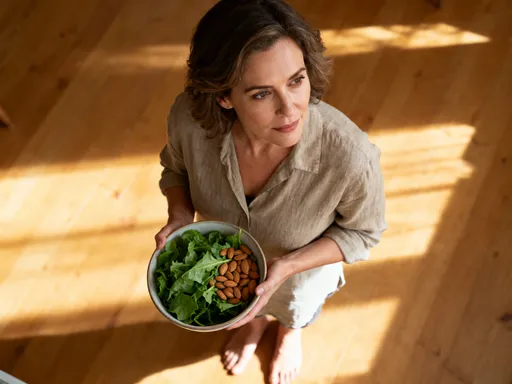
Lunch is typically a salad with dark leafy greens like kale or collards, topped with canned salmon or sardines, which deliver calcium, vitamin D, and omega-3 fatty acids. I dress it with olive oil and lemon juice, which enhances nutrient absorption and adds flavor without excess salt. If I’m not in the mood for fish, I’ll opt for a lentil soup with a side of whole-grain toast, ensuring I get plant-based protein and minerals. Dinner varies, but I aim to include a mix of vegetables, lean protein, and a whole grain. Grilled salmon with roasted broccoli and quinoa is a favorite—nutrient-dense, satisfying, and easy to prepare. I’ve also learned to view snacks as opportunities: instead of chips, I reach for carrot sticks with hummus or a small piece of cheese.
The key has been consistency, not perfection. I don’t stress if I eat out or have a treat now and then. What matters is the overall pattern. I’ve stopped thinking in terms of “good” and “bad” foods and instead focus on what each choice contributes. This shift in mindset has made the process feel less like a diet and more like a lifestyle upgrade. By making small, informed decisions every day, I’ve created a routine that supports my bones without disrupting my life. It’s not about dramatic change—it’s about steady, sustainable progress.
Beyond Diet: Lifestyle Moves That Complete the Picture
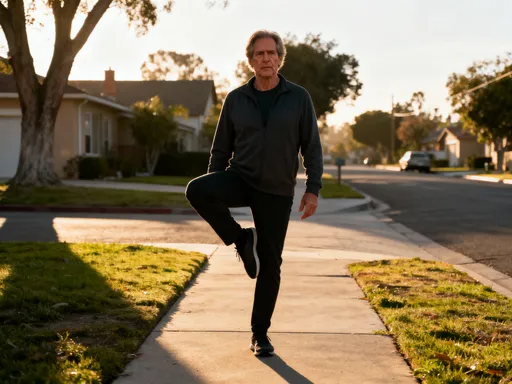
Diet is a powerful tool, but it’s only one part of the bone health equation. Physical activity plays an equally important role. Bones respond to mechanical stress—the more you use them, the stronger they become. Weight-bearing exercises, such as walking, dancing, stair climbing, and resistance training, send signals to bone cells to increase density and strength. When I started walking briskly for 30 minutes most days, I noticed not only improved energy but also better balance and posture. I later added light strength training with resistance bands and dumbbells, focusing on major muscle groups. These exercises don’t just build muscle—they also stimulate bone remodeling, helping to maintain or even increase bone mass over time.
Sitting for long periods, on the other hand, does the opposite. A sedentary lifestyle sends the message that bones don’t need to stay strong, leading to gradual weakening. I’ve made a point to stand up and move every hour, especially when working from home. Simple habits like taking the stairs, parking farther away, or doing a few squats while brushing my teeth add up. Posture also matters. Slouching or hunching over a screen can compress the spine and increase the risk of vertebral fractures over time. I’ve become more mindful of my alignment, using ergonomic supports and doing gentle stretches to keep my spine flexible and strong.
Sleep is another often-overlooked factor. During deep sleep, the body repairs tissues, including bone. Chronic sleep deprivation can disrupt hormone balance, including those involved in bone metabolism. Aim for 7 to 8 hours of quality sleep per night, and maintain a consistent routine. Stress management is also important. High cortisol levels, associated with chronic stress, can interfere with bone formation and increase resorption. Mindfulness practices, deep breathing, or simply spending time in nature have helped me stay grounded. Together, these lifestyle habits form a complete picture of bone health—one that goes beyond the plate and into the way we move, rest, and live.
Strong bones aren’t built overnight—they’re shaped by daily choices. Restricting certain foods isn’t about fear or strict rules; it’s about making space for what truly nourishes your body. With mindful eating, informed choices, and a little consistency, supporting your skeleton becomes a natural part of living well. And trust me, your future self will thank you.