How I Fight Hair Loss with Simple Daily Moves — Real Results, No Gimmicks
Losing hair can hit hard—confidence drops, mornings get tougher. I’ve been there, staring at the drain, wondering what went wrong. Turns out, scalp health isn’t just about products. What you *do* with your body matters. I tested simple, science-backed exercises that boost blood flow and reduce stress, both key players in hair thinning. No magic, no hype—just consistent movement. This is what actually helped me slow down hair loss and feel more in control.
The Hidden Link Between Exercise and Hair Health
Hair growth is more than a surface-level concern—it's deeply tied to the body’s internal environment. Each strand emerges from a follicle that relies on a steady supply of oxygen and nutrients, delivered through a network of tiny blood vessels. When circulation slows or stress hormones surge, this delicate system can falter, leading to thinning or shedding. Exercise plays a pivotal role in maintaining the balance these follicles need to thrive. While physical activity won’t reverse genetic balding, it supports the conditions under which healthy hair can grow.
One of the most significant ways exercise influences hair health is through blood circulation. The scalp, like any other tissue, depends on capillary flow to nourish hair roots. Aerobic movement increases heart rate and encourages blood to circulate more efficiently throughout the body, including the head. This improved flow brings vital nutrients like iron, biotin, and amino acids directly to the follicles, helping sustain their growth phase. At the same time, better circulation aids in removing metabolic waste products that, if accumulated, may contribute to inflammation and follicle damage.
Hormonal balance is another critical factor influenced by regular physical activity. Chronic stress elevates cortisol, a hormone that, when consistently high, can disrupt the hair growth cycle and push more follicles into the resting (telogen) phase. This condition, known as telogen effluvium, often manifests as noticeable shedding several months after a stressful event. Exercise helps regulate cortisol levels by promoting the release of endorphins and other mood-stabilizing chemicals. Over time, this creates a more stable internal environment where hair can remain in its growing phase longer.
Inflammation is increasingly recognized as a contributor to hair loss, particularly in conditions like androgenetic alopecia. Regular moderate exercise has been shown to reduce systemic inflammation by lowering levels of inflammatory markers such as C-reactive protein. While intense or excessive workouts can have the opposite effect, consistent, balanced movement supports an anti-inflammatory state. For women navigating hair thinning, especially during hormonal transitions like perimenopause, integrating gentle daily exercise becomes not just beneficial but essential.
Many women first notice increased shedding after major life changes—a new baby, job transition, or emotional upheaval. These events often come with disrupted sleep, poor diet, and reduced physical activity, all compounding the stress burden on the body. By reintroducing movement into daily routines, even in small doses, it’s possible to interrupt this cycle. The body begins to recalibrate, and over weeks or months, many report less hair in the brush and a renewed sense of control. This isn’t about dramatic transformations overnight, but about creating sustainable habits that support long-term scalp and hair wellness.
Why Scalp Blood Flow Matters More Than You Think
Beneath the surface of every strand lies a complex network of capillaries responsible for delivering life-sustaining nutrients to the hair follicle. These tiny blood vessels act like delivery routes, transporting oxygen, glucose, and essential vitamins directly to the root. When circulation to the scalp is compromised, follicles may receive inadequate nourishment, leading to weaker, thinner hair over time. Unlike larger muscles that visibly respond to training, the scalp doesn’t get 'worked out' in conventional routines—yet it benefits immensely from improved blood flow.
Sedentary lifestyles, common among many adults today, can contribute to sluggish circulation overall. Sitting for prolonged periods reduces venous return—the flow of blood back to the heart—and may impair microcirculation in extremities, including the scalp. This reduced flow means follicles are less efficiently fed and detoxified. Over time, this environment can shorten the anagen (growth) phase of hair and prolong the resting phase, resulting in slower regrowth and increased shedding. Recognizing this connection empowers individuals to take proactive steps through movement.
One practical way to assess microcirculation is through the concept of capillary refill. When gentle pressure is applied to the skin and then released, the speed at which color returns indicates how well blood is flowing to that area. A delayed refill suggests poor circulation, which can be a subtle sign of compromised tissue health—even on the scalp. While you can't easily test scalp refill at home, symptoms like coldness in the head, dullness in hair texture, or persistent tightness in the scalp may hint at reduced blood flow.
Improving scalp circulation doesn’t require extreme measures. Simple practices like scalp massage, inversion poses, and aerobic exercise can make a meaningful difference. These activities encourage vasodilation—the widening of blood vessels—which enhances nutrient delivery and waste removal. Additionally, increased blood flow brings immune cells to the area, helping combat low-grade inflammation that may silently affect follicle function. For women concerned about thinning, particularly around the crown or part line, targeting circulation offers a foundational strategy that complements topical treatments and proper nutrition.
It's important to note that while genetics and hormones play major roles in hair loss, lifestyle factors remain within personal control. Unlike medications or supplements, which may carry side effects or uncertain results, improving circulation through natural movement is safe, accessible, and holistic. Whether you're in your thirties noticing early thinning or navigating changes in your fifties, enhancing blood flow supports the scalp’s natural ability to sustain healthy hair. This approach shifts the focus from external fixes to internal support, emphasizing long-term vitality over quick fixes.
Cardio That Actually Helps: Finding the Sweet Spot
Not all cardio is created equal when it comes to hair health. The goal isn’t to push the body to its limits but to find a sustainable rhythm that enhances circulation without triggering stress responses. Moderate-intensity aerobic exercise—such as brisk walking, cycling on flat terrain, or swimming at a steady pace—has been shown to improve cardiovascular function and promote healthy blood flow to all areas of the body, including the scalp. These activities elevate the heart rate just enough to stimulate circulation while remaining within a safe, recovery-friendly zone.
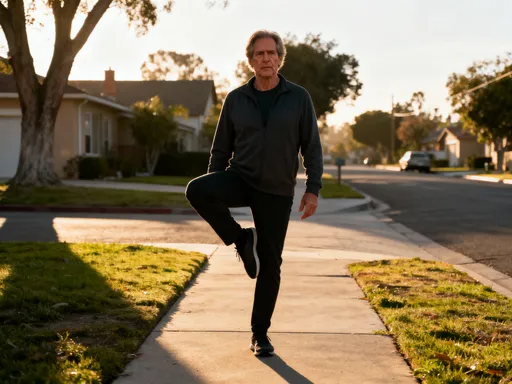
Research supports the idea that 30 minutes of moderate aerobic activity, performed four to five times per week, can significantly improve overall vascular health. For hair, this translates to better oxygenation and nutrient delivery to follicles. Brisk walking, in particular, is highly accessible and low-impact, making it ideal for women balancing family, work, and personal well-being. A morning walk around the neighborhood or a lunchtime stroll through a park not only moves the body but also clears the mind, offering dual benefits for both mental and physical health.
Cycling, whether outdoors or on a stationary bike, provides similar advantages. It engages large muscle groups in the legs, which act as secondary pumps to assist blood return to the heart. This enhanced venous return supports overall circulation, reducing stagnation that could otherwise affect scalp health. Swimming adds the benefit of hydrostatic pressure, which gently compresses blood vessels and improves circulation without joint strain. All three activities are effective, enjoyable, and adaptable to varying fitness levels.
However, it’s crucial to avoid overdoing it. High-intensity endurance training—such as marathon running, intense cycling events, or prolonged HIIT sessions—can increase oxidative stress and elevate cortisol levels. These physiological changes may counteract the benefits of exercise by promoting inflammation and disrupting hormonal balance. Some studies suggest that extreme training regimens are associated with temporary hair shedding due to the body’s stress response. Therefore, the key is consistency and moderation, not intensity.
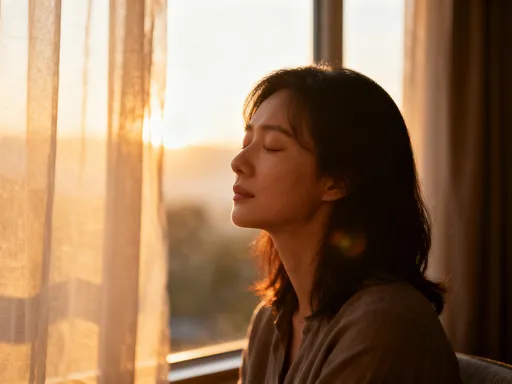
For women already experiencing hair thinning, starting slow is often the most effective approach. Even 15 to 20 minutes of daily movement can begin to shift the body’s internal environment. Over time, as stamina improves, duration and pace can gradually increase. The aim is not to achieve athletic performance but to create a routine that feels sustainable and nourishing. Pairing cardio with mindfulness—such as listening to calming music or practicing deep breathing—can further reduce stress, amplifying the positive effects on hair health.
Scalp-Stimulating Moves You Can Do Anywhere
One of the most direct ways to support hair health is through targeted scalp stimulation. A simple, five-minute daily scalp massage can enhance local blood flow, reduce tension, and create a more favorable environment for hair growth. Unlike commercial devices or costly treatments, this practice requires no special tools—just clean fingertips and a few quiet moments. The temporal regions (sides of the head) and occipital area (back of the skull) are especially rich in blood vessels and benefit greatly from gentle pressure.
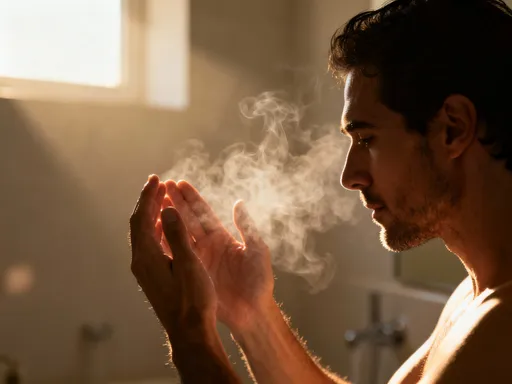
To perform an effective scalp massage, use the pads of your fingers—never the nails—to apply firm but comfortable pressure in circular motions. Start at the base of the skull and work upward toward the crown, then move to the temples and across the forehead. The motion should feel soothing, not painful. Warming your hands before beginning can enhance relaxation and improve blood flow. Many women find it helpful to incorporate this into their morning routine or as part of their nighttime wind-down, pairing it with deep breathing for added stress relief.
The physiological benefits of scalp massage extend beyond circulation. Studies have shown that regular stimulation can increase the thickness of hair shafts by reducing stress-related miniaturization of follicles. The act of massaging also activates mechanoreceptors in the skin, which send signals to the nervous system that promote relaxation. This parasympathetic response helps lower cortisol levels, creating a hormonal environment more conducive to hair retention.
For those with sensitive scalps or conditions like seborrheic dermatitis, gentler pressure is recommended. The goal is not to exfoliate or scrub but to stimulate blood flow beneath the surface. Some women choose to use a few drops of carrier oil—such as jojoba or coconut oil—to reduce friction, though this is optional. The most important factor is consistency: doing the massage daily, even for just three to five minutes, can yield noticeable results over time.
This practice is especially valuable for women who spend long hours with their hair pulled back tightly or who wear head coverings regularly. These habits can restrict blood flow and create tension in the scalp muscles. A daily massage helps counteract these effects, releasing built-up tension and restoring flexibility to the tissues. Over weeks of regular practice, many report improved scalp sensation, reduced itchiness, and a stronger connection between self-care and hair wellness.
Yoga Poses for Hair: Inversion Without the Hype
Yoga offers a gentle yet powerful way to improve blood flow to the scalp without resorting to extreme poses. Inversions, which position the heart above the head, encourage venous return and increase circulation to the upper body and brain. However, full headstands or unsupported handstands may not be safe or accessible for everyone, especially beginners or those with neck concerns. Fortunately, there are safer, supported alternatives that deliver benefits without the risk.
One of the most effective and accessible poses is *Viparita Karani*, commonly known as legs-up-the-wall pose. To practice, lie on your back near a wall and extend your legs vertically, resting them against the surface. Your hips can be close to or slightly away from the wall, depending on comfort. Arms rest by your sides, palms up. Holding this pose for 5 to 15 minutes allows gravity to assist blood flow to the head while promoting deep relaxation. It’s particularly beneficial in the evening, helping to calm the nervous system and prepare the body for restful sleep.
This pose supports hair health in multiple ways. First, it enhances circulation to the scalp, delivering fresh oxygen and nutrients. Second, it reduces sympathetic nervous system activity—the 'fight or flight' response—leading to lower cortisol levels. Chronic stress is a known contributor to hair shedding, so any practice that promotes relaxation indirectly supports hair retention. Additionally, improved sleep quality, often reported by those who practice *Viparita Karani* regularly, plays a crucial role in hormone regulation and tissue repair, including hair follicle regeneration.
Other mild inversions include forward folds—such as *Uttanasana* (standing forward bend)—performed with bent knees to avoid strain. These poses temporarily increase blood flow to the head while stretching the back and hamstrings, areas often tight from daily sitting. Practicing them slowly and mindfully, with attention to breath, enhances their calming effect. The key is not depth of the pose but consistency and comfort. Even one or two minutes daily can make a difference.
Yoga’s holistic approach makes it uniquely suited for addressing hair loss from multiple angles. Beyond circulation, it fosters body awareness, reduces anxiety, and encourages a slower, more intentional pace of life. For women juggling multiple responsibilities, this shift in mindset can be as valuable as the physical benefits. By integrating simple, inversion-inspired poses into daily life, it becomes possible to support scalp health without adding stress or complexity to an already full schedule.
Stress-Busting Routines That Protect Your Strands
Chronic stress is one of the most insidious contributors to hair thinning, yet it often goes unaddressed in conventional hair loss discussions. When the body remains in a prolonged state of stress, it produces excess cortisol, which can disrupt the balance of sex hormones. In some cases, this leads to increased production of dihydrotestosterone (DHT), a hormone linked to follicle shrinkage and miniaturization. While DHT is naturally present in both men and women, elevated levels due to stress can accelerate hair loss, particularly in genetically predisposed individuals.
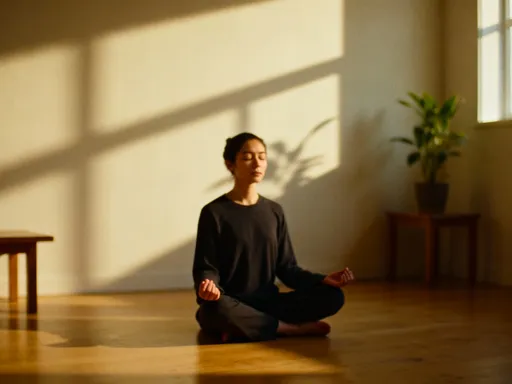
Mindfulness-based movement practices offer a natural way to counteract this process. Tai chi, slow-flow yoga, and gentle stretching routines engage the body while calming the mind. These activities emphasize breath awareness, smooth transitions, and present-moment focus—all of which activate the parasympathetic nervous system. Over time, regular practice can lead to measurable reductions in cortisol, heart rate, and blood pressure, creating a more balanced internal environment for hair growth.
Tai chi, often described as 'meditation in motion,' combines slow, deliberate movements with deep breathing and mental focus. Studies have shown that tai chi practitioners experience lower levels of perceived stress and improved sleep quality. For women dealing with stress-related shedding, incorporating just 15 minutes of tai chi daily can serve as both physical activity and emotional reset. Its low-impact nature makes it suitable for all ages and fitness levels, and it can be practiced indoors with minimal space.
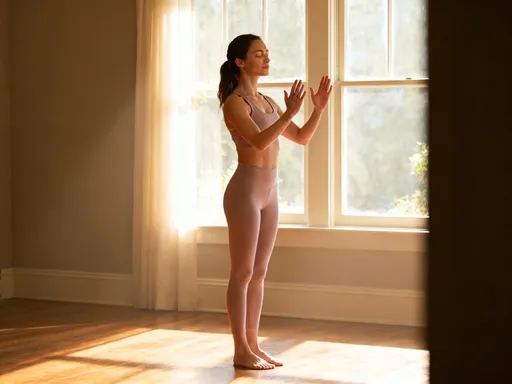
Similarly, slow-flow yoga sequences—such as a gentle sun salutation performed at a relaxed pace—provide both physical and mental benefits. The rhythmic movement synchronized with breath helps release muscle tension, particularly in the neck, shoulders, and scalp. This physical release often translates into emotional relief, breaking the cycle of tension that can contribute to headaches, fatigue, and hair loss. Unlike fast-paced workouts, these practices prioritize restoration over exertion, aligning with the needs of women seeking sustainable self-care.
Daily stretching, even without a formal routine, can also play a role. Simple neck rolls, shoulder shrugs, and forward bends help relieve postural tension caused by desk work or caregiving responsibilities. When combined with conscious breathing, these movements become mini resets throughout the day. The cumulative effect is a body that feels lighter, a mind that feels clearer, and a scalp that functions more optimally. By addressing stress at its root, these routines offer long-term protection for hair—not through direct intervention, but by fostering overall physiological balance.
Putting It All Together: A Realistic Weekly Plan
Building a sustainable routine doesn’t require perfection—just intention and consistency. A balanced weekly plan that integrates cardiovascular activity, scalp stimulation, and stress-reducing movement can create meaningful support for hair health. Start with manageable goals: three 30-minute walks during the week, two short yoga or tai chi sessions, and a daily five-minute scalp massage. These elements work synergistically, each reinforcing the benefits of the others.
For example, a sample week might include a brisk walk on Monday, Wednesday, and Friday mornings. Tuesday and Thursday evenings could feature a 15-minute session of *Viparita Karani* or gentle stretching, followed by a scalp massage. Weekends offer flexibility—perhaps a longer walk with family or a relaxed swim. The key is to treat these practices not as chores but as acts of self-respect and care. Over time, they become woven into the rhythm of daily life, requiring less effort to maintain.
It’s also important to listen to your body. Some days, energy levels may be low, and that’s okay. A five-minute stretch or a few moments of deep breathing still count. The goal is progress, not perfection. Celebrate small wins—like remembering to massage your scalp three times in a row or completing a full week of walks. These moments build confidence and reinforce the habit loop that leads to lasting change.
While lifestyle changes can significantly support hair health, they are not substitutes for medical evaluation. If hair loss is sudden, patchy, or accompanied by other symptoms like fatigue or skin changes, it’s essential to consult a healthcare provider. Conditions such as thyroid disorders, iron deficiency, or hormonal imbalances may require targeted treatment. Exercise and self-care are powerful tools, but they work best as part of a comprehensive approach that includes professional guidance when needed.
Ultimately, the journey to healthier hair is about more than appearance—it’s about reconnecting with your body and honoring its signals. Hair loss can be a wake-up call, prompting a deeper look at stress levels, movement habits, and overall well-being. By responding with kindness and consistency, women can transform this challenge into an opportunity for growth, resilience, and renewed vitality.
Hair loss isn’t just skin deep—it’s often a signal from your body. By moving mindfully and improving circulation and stress resilience, you’re not just fighting thinning—you’re building a healthier foundation from the inside out. These exercises won’t promise miracles, but they offer something better: control, clarity, and a proactive way to care for your body as a whole.