How Pilates Quietly Changed My Mindset—And Why It Might Help You Too
You don’t have to be broken to need healing. For months, I felt constantly wired—racing thoughts, tight shoulders, never fully present. I tried meditation, sleep tracking, even journaling. Nothing stuck—until I stepped onto a Pilates mat. What started as a physical experiment became a surprising mental reset. Slow movements, focused breathing, and intentional control didn’t just reshape my posture; they reshaped my mind. This is how Pilates became my quiet therapy.
The Hidden Link Between Body and Mind
Modern life often treats the mind and body as separate entities—one for thinking, the other for moving. Yet decades of neuroscience research reveal they are deeply interconnected. The way we carry ourselves physically influences how we process emotions, manage stress, and maintain mental clarity. When tension builds in the shoulders or breath becomes shallow, the brain registers this as a signal of unease, even if we’re not consciously aware of it. This constant low-level alertness can contribute to mental fatigue, difficulty concentrating, and a sense of emotional imbalance.
Pilates operates at the intersection of movement and mindfulness, creating a bridge between physical sensation and mental state. By emphasizing controlled, deliberate motions, it activates the parasympathetic nervous system—the body’s natural calming mechanism. Unlike high-intensity workouts that elevate heart rate and cortisol levels, Pilates encourages a steady rhythm of movement and breath, helping to quiet the mental chatter that often accompanies chronic stress. This isn’t about dramatic transformation; it’s about consistent recalibration.
One of the foundational principles of Pilates is body awareness, also known as proprioception. As practitioners learn to isolate specific muscles and move with precision, they also develop a heightened sensitivity to physical cues. Over time, this awareness extends beyond the mat. A woman may begin to notice how she tenses her jaw during a difficult conversation or how her posture shifts when she feels overwhelmed. Recognizing these patterns is the first step toward change. The body, in this sense, becomes a mirror for the mind.
Moreover, the practice fosters what psychologists call interoception—the ability to perceive internal bodily states. When someone learns to tune into their breath or notice the subtle shift in alignment during a roll-up, they are also training the brain to stay present. This kind of focused attention is closely linked to emotional regulation. Studies have shown that individuals with greater interoceptive awareness are often better at managing anxiety and responding to emotional challenges with composure. Pilates doesn’t promise instant relief, but it builds the mental muscles needed for long-term resilience.
Why Modern Stress Needs a Different Solution
Today’s stress management landscape is crowded with apps, supplements, and quick fixes. From guided meditation playlists to wearable devices that track heart rate variability, the market offers countless tools designed to promote calm. While some of these resources are helpful, many fall short because they remain passive or disconnected from daily movement. Sitting still and trying to clear the mind can feel frustrating, especially for those whose thoughts race uncontrollably. The act of simply “relaxing” may even heighten feelings of guilt or failure when it doesn’t work as expected.
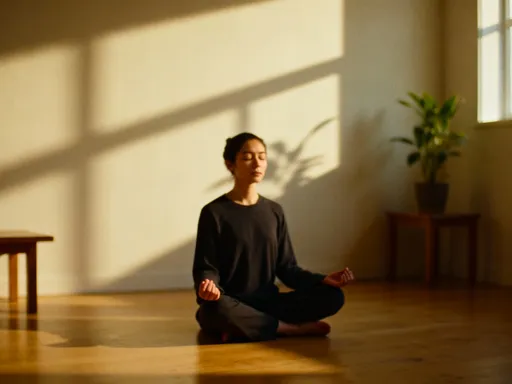
What makes Pilates different is that it offers a dynamic form of mindfulness. Instead of asking the mind to stop thinking, it gives it a constructive task: coordinate movement with breath, maintain alignment, and sustain focus through repetition. This active engagement creates what psychologists call a “flow state”—a mental zone where concentration is so complete that distractions fade into the background. In this state, there is no room for rumination or worry; attention is fully absorbed by the present action.
Compared to yoga, which often emphasizes stillness and spiritual elements, or high-intensity interval training, which floods the body with adrenaline, Pilates occupies a unique middle ground. It is precise without being rigid, challenging without being punishing. The movements are often small and subtle, yet they require deep concentration. This combination of physical control and mental focus makes it particularly effective for those who feel mentally overstimulated but physically under-engaged.
Additionally, Pilates does not rely on external stimuli. There’s no need for special lighting, music, or equipment beyond a mat and perhaps a resistance band. The practice is accessible in a living room, a community center, or a quiet corner of a home office. This simplicity removes barriers to consistency, which is critical when building any new habit. Unlike fleeting wellness trends, Pilates offers a sustainable framework for integrating mindfulness into everyday life—not as an escape, but as a practice of returning to oneself.
My First Month: From Skeptic to Believer
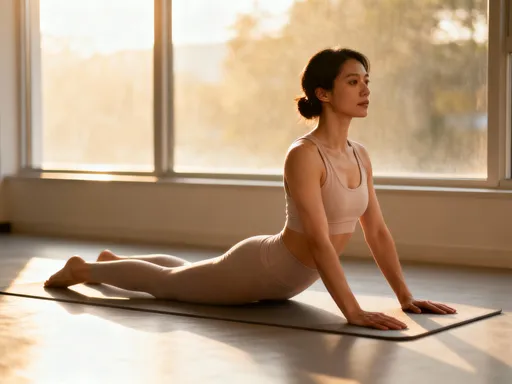
At first, the idea of lying on a mat and moving slowly seemed almost too simple to make a difference. The woman who began Pilates was not seeking transformation—she was simply looking for something to ease the persistent tension in her neck and the restless energy that followed her into the evening. She had tried stretching before, but it never felt structured enough. Yoga classes left her feeling self-conscious about her flexibility. Pilates, recommended by a friend, felt like a last attempt at finding physical relief.
The first session was humbling. Simple exercises like the “hundred” or “pelvic curls” required coordination she didn’t realize she’d lost. Her mind wandered constantly—planning dinner, replaying a work conversation, wondering if she was doing it right. She left feeling slightly sore and mildly discouraged, convinced that this, too, would join the list of wellness experiments that didn’t stick.
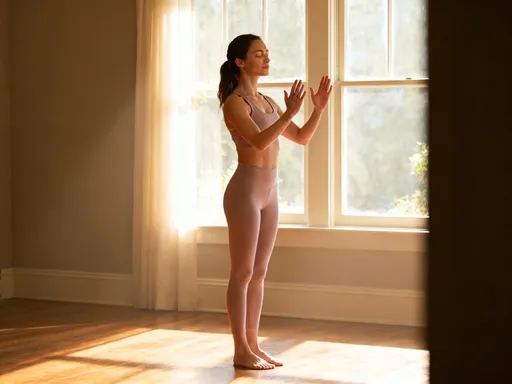
But something shifted by the third week. After a particularly stressful day at work—filled with back-to-back meetings and an unresolved conflict with a colleague—she attended a late afternoon class. This time, she noticed a change. As she focused on inhaling deeply through her nose and exhaling slowly through pursed lips, her shoulders dropped. The tightness across her upper back began to soften. For the first time in weeks, she wasn’t thinking about the next task or the unresolved email. She was simply in her body, moving with intention.
That night, she slept more deeply than she had in months. Not because she was exhausted, but because her nervous system had finally been given permission to rest. Over the following days, she began to look forward to her sessions not as chores, but as appointments with herself. The mental clarity she experienced afterward became something she could rely on. It wasn’t dramatic—no sudden epiphanies or emotional releases—but a quiet, steady shift. She was more patient with her children, more present during conversations, and less reactive to minor frustrations.
The Three Mental Shifts Pilates Taught Me
With consistent practice, three profound mental changes emerged—each rooted in the physical discipline of Pilates but extending far beyond the studio. The first was focused attention. In a world saturated with distractions, the ability to concentrate on a single task is increasingly rare. Pilates trains the mind to stay anchored in the present by linking each movement to breath and alignment. When performing a spine stretch, for example, the practitioner must coordinate the articulation of each vertebra while maintaining steady inhalation and exhalation. This level of detail leaves little room for mental drifting. Over time, this skill transfers to daily life. A woman might find herself more attentive during a conversation, less likely to reach for her phone during quiet moments, or better able to complete tasks without switching between tabs.
The second shift was self-compassion. Unlike many fitness routines that emphasize performance, speed, or appearance, Pilates invites practitioners to move without judgment. There is no “perfect” plank or ideal number of repetitions. The focus is on form, control, and awareness—not on how the body looks or how much it can endure. This non-competitive environment fosters a gentler relationship with oneself. A woman who once criticized herself for lacking strength might begin to appreciate the progress in her stability or the way her breath has deepened. She learns to honor her body’s limits rather than push through pain. This shift in mindset can ripple into other areas of life, encouraging kindness in self-talk and greater patience with personal growth.
The third and perhaps most transformative shift was emotional resilience. Pilates teaches the connection between breath and emotional state. When breath is shallow and rapid, the body interprets it as a sign of stress. When breath is slow and rhythmic, it signals safety. By practicing controlled breathing during challenging movements—such as holding a balance or transitioning between positions—a woman builds the capacity to stay calm under pressure. She learns that discomfort does not require panic, and that stability can be maintained even when the body feels unsteady. These lessons become invaluable during moments of emotional turbulence. Instead of reacting impulsively to a stressful situation, she may pause, take a breath, and respond with greater clarity.
How to Start Without Overthinking It
Beginning a Pilates practice does not require special skills, expensive equipment, or a complete lifestyle overhaul. The most important step is simply showing up. For those new to the method, the best starting point is a beginner-friendly class, either in person or online. Many community centers, yoga studios, and fitness gyms offer introductory Pilates sessions led by certified instructors. These classes typically focus on foundational movements, proper alignment, and breath coordination, making them ideal for building confidence.
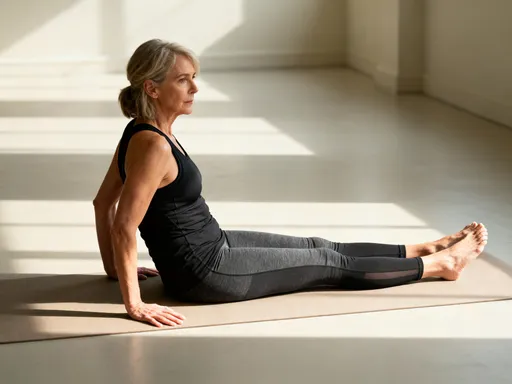
If attending a class feels intimidating, online platforms provide a low-pressure alternative. Reputable websites and apps offer guided sessions ranging from ten to thirty minutes, allowing women to practice at home on their own schedule. It’s helpful to choose a quiet space with enough room to lie down comfortably. A yoga mat provides cushioning and grip, while loose, comfortable clothing allows for unrestricted movement. While some forms of Pilates use specialized equipment like reformers, the mat-based version is fully accessible and effective for beginners.
The key to success is consistency, not perfection. Starting with just two or three short sessions per week can yield noticeable benefits over time. It’s more valuable to practice regularly with attention to form than to complete long, intense workouts sporadically. In the early stages, it’s normal to feel awkward or forget instructions. This is part of the learning process. The goal is not to master every movement immediately, but to develop awareness and build a sustainable habit. Over time, the body begins to remember the patterns, and the mind learns to follow.
It’s also important to release expectations. Pilates is not about achieving a certain body type or becoming physically flawless. It’s about cultivating presence, strength, and balance—both physical and mental. Women who approach it with curiosity rather than pressure are more likely to stay engaged. Celebrating small wins—like improved posture, reduced tension, or a calmer mind after a session—helps reinforce motivation. The journey is personal, and progress is measured not in inches or pounds, but in how one feels from day to day.
Integrating Pilates Into Daily Mental Maintenance
The principles of Pilates need not be confined to scheduled sessions. Once learned, they can become tools for daily mental maintenance. One of the most transferable skills is breath awareness. Taking just one minute to pause and focus on deep, diaphragmatic breathing can reset the nervous system during a hectic day. This simple act—inhaling slowly through the nose, allowing the belly to rise, and exhaling fully through the mouth—can be done at a desk, in a car, or while waiting in line. It requires no equipment and draws no attention, yet it can significantly reduce stress in moments of overwhelm.
Another practical application is mindful posture. Many women spend hours seated at computers, often slouching forward with rounded shoulders. This position not only strains the spine but also restricts breathing and contributes to fatigue. By applying Pilates-inspired alignment—lengthening the spine, drawing the shoulders back, and engaging the core—throughout the day, it’s possible to maintain energy and focus. Setting a gentle reminder every hour to check posture can make this habit easier to adopt.
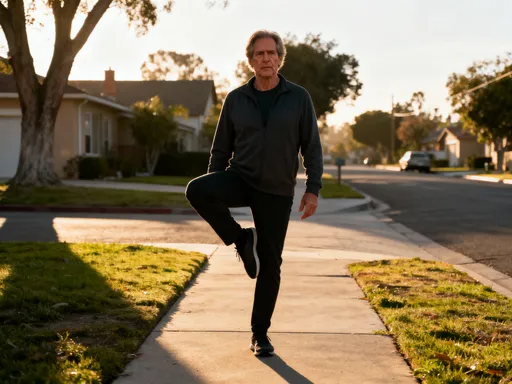
Mindful walking is another way to extend the practice. Instead of rushing from one task to the next, a woman can walk with intention—feeling the contact of her feet with the ground, maintaining an upright posture, and syncing her breath with her steps. This turns an ordinary activity into a moving meditation. Similarly, a brief body scan during a break—starting from the feet and moving upward, noticing areas of tension—can help release physical stress before it accumulates.
These micro-practices reinforce the idea that mental well-being is not something reserved for special moments or retreats. It is cultivated in the small, intentional choices made throughout the day. Pilates provides a framework for these choices, offering practical tools that fit seamlessly into a busy life. The result is not just a stronger core, but a calmer mind and a greater sense of control over one’s inner state.
When to Seek Additional Support
While Pilates can be a powerful support for mental well-being, it is not a substitute for professional care. For women experiencing persistent anxiety, depression, or the effects of trauma, it is essential to consult a licensed therapist, counselor, or medical provider. These conditions require evidence-based treatments such as cognitive behavioral therapy, medication, or other clinical interventions. Pilates should be viewed as a complementary practice—one that enhances overall wellness but does not replace necessary medical or psychological support.
There are times when physical movement alone is not enough. If someone finds that their mood remains low despite regular exercise, or if they experience intrusive thoughts, severe sleep disturbances, or emotional numbness, these are signs that professional guidance is needed. A healthcare provider can help determine the appropriate course of action and ensure that all aspects of health are addressed. In some cases, a doctor may recommend combining physical activity with therapy or other treatments for the best outcomes.
It’s also important to recognize that healing is not linear. There will be days when even a familiar Pilates routine feels difficult, not because of physical limitations, but because of emotional weight. On those days, self-compassion is crucial. It’s okay to modify movements, shorten a session, or simply rest. The goal is not to push through every challenge, but to listen to the body and respond with care. Seeking support is not a sign of weakness—it is an act of strength and self-respect.
Conclusion
Psychological adjustment doesn’t always require dramatic change. Sometimes, it begins with the subtle retraining of movement and breath. Pilates offers more than flexibility or core strength—it offers a quieter mind, a calmer presence, and a deeper connection to self. The journey isn’t about perfection; it’s about showing up, one intentional movement at a time. For women navigating the complexities of modern life, this practice provides a sanctuary of focus and stillness. It teaches that healing can be gentle, that strength can be quiet, and that well-being is built not in grand gestures, but in the consistent, mindful choices we make every day.