How I Finally Balanced My Blood Pressure — A Real Long-Term Journey
High blood pressure used to be my silent daily stressor — until I stopped chasing quick fixes and started listening to my body. This isn’t about miracles; it’s about consistent, mindful adjustments that add up. I’ll share the turning points, the small wins, and the lifestyle shifts that made a lasting difference. While every body responds differently, what helped me may guide you — always alongside professional care, never instead of it.
The Wake-Up Call: When Normal Felt Wrong
It was a regular Tuesday afternoon when everything changed — not with a dramatic event, but with a quiet number on a digital screen. At my annual physical, the nurse called out, “148 over 94.” I smiled politely, unsure whether to react. I didn’t feel unwell. In fact, I felt fine — energetic enough, sleeping passably, managing work and family without noticeable strain. But my doctor’s expression shifted. “This is consistently high,” she said. “Even if you feel okay, your body might be under pressure you can’t sense.” That moment was my wake-up call: high blood pressure doesn’t always announce itself with symptoms. It grows quietly, like rust beneath a car’s surface, weakening systems long before failure occurs.
Hypertension, often called the “silent killer,” affects nearly half of adults in many developed countries, yet a significant portion remain unaware they have it. The danger lies in its invisibility. Unlike pain or fever, elevated blood pressure rarely sends urgent signals. Some may experience occasional headaches or fatigue, but these are nonspecific and easily dismissed. For me, the realization wasn’t just medical — it was emotional. I felt a mix of fear and confusion. How could something so serious go unnoticed? Was I already at risk for heart disease or stroke without knowing? These questions lingered, but instead of spiraling, I chose to act. I scheduled a follow-up, had multiple readings taken over several days, and committed to understanding what the numbers meant for my long-term health.
What followed was a conversation with my primary care provider that shifted my perspective. Rather than jumping to medication immediately, we discussed lifestyle factors, family history, and daily habits. My doctor emphasized that while medication can be necessary and effective, it works best when paired with sustainable changes. We set a goal: bring my average readings below 130/80 mm Hg through a combination of monitoring, diet, movement, and stress management. This wasn’t about perfection — it was about progress. And the first step was accepting that feeling “fine” didn’t mean I was truly healthy. It meant I had been lucky — so far.
Understanding Blood Pressure: Beyond the Numbers
Blood pressure is more than just two numbers; it’s a snapshot of how your cardiovascular system functions in real time. The top number, systolic pressure, measures the force your heart exerts when pumping blood into the arteries. The bottom number, diastolic pressure, reflects the pressure in the arteries when the heart rests between beats. Both are important indicators of arterial health. When either number stays elevated over time, the constant strain can damage blood vessel walls, reduce elasticity, and increase the workload on the heart. Over years, this can lead to serious complications, including heart attack, stroke, kidney disease, and cognitive decline.
What many don’t realize is that blood pressure fluctuates naturally throughout the day — rising with activity, stress, or caffeine, and falling during rest or sleep. The concern arises when the average trend remains high, even at rest. Chronic hypertension forces the heart to work harder than it should, gradually thickening the heart muscle — a condition known as left ventricular hypertrophy — which in turn raises the risk of heart failure. Similarly, stiffened arteries impair blood flow to vital organs, including the brain and kidneys. This is why long-term control matters far more than any single reading. It’s not just about avoiding a crisis — it’s about preserving function and quality of life over decades.
The body has built-in mechanisms to regulate blood pressure, involving the kidneys, nervous system, and hormones like adrenaline and renin. These systems work together to adjust fluid balance, vessel constriction, and heart rate. However, modern lifestyles often disrupt this delicate balance. Diets high in sodium, lack of physical activity, chronic stress, and poor sleep can all interfere with the body’s ability to self-regulate. Instead of viewing hypertension as a sudden diagnosis, it’s more accurate to see it as the result of long-term imbalances. The good news? These same lifestyle factors can also be leveraged to support healing. By making consistent, science-backed adjustments, it’s possible to work with the body’s natural rhythms rather than against them.
This shift in mindset — from seeing high blood pressure as a fixed condition to managing it as an ongoing process — was crucial for me. I stopped thinking in terms of “fixing” myself and started focusing on daily support. Just as you wouldn’t expect a garden to thrive without regular watering and sunlight, your body needs consistent care to maintain balance. The numbers on the monitor became less of a judgment and more of a feedback system — a way to see how my choices were affecting my physiology. With this understanding, I moved from fear to curiosity, from avoidance to engagement.
Mindful Eating: Food as Daily Support, Not Medicine
When I first learned about the link between diet and blood pressure, my instinct was to overhaul everything at once. I considered strict elimination diets, bought expensive supplements, and even thought about giving up salt entirely. But within days, the rigidity backfired. I felt deprived, irritable, and eventually reverted to old habits. What I learned — the hard way — is that sustainability matters more than intensity. Lasting change doesn’t come from extreme restrictions, but from gradual, realistic shifts that fit into real life. Instead of chasing perfection, I focused on progress: small, repeatable choices that added up over time.
One of the most impactful changes was reducing processed sodium. The average adult consumes far more sodium than recommended, often without realizing it. It’s hidden in bread, canned soups, frozen meals, sauces, and even sweet snacks. I started reading labels not to obsess, but to become aware. I noticed how many everyday items contained 300–500 milligrams of sodium per serving — and how quickly that added up. My goal wasn’t to eliminate salt, but to shift the balance. I began cooking more at home, where I had control over ingredients. Simple swaps made a difference: using fresh garlic and herbs instead of salt, choosing low-sodium broths, rinsing canned beans to remove excess sodium, and seasoning with lemon juice or vinegar for brightness.
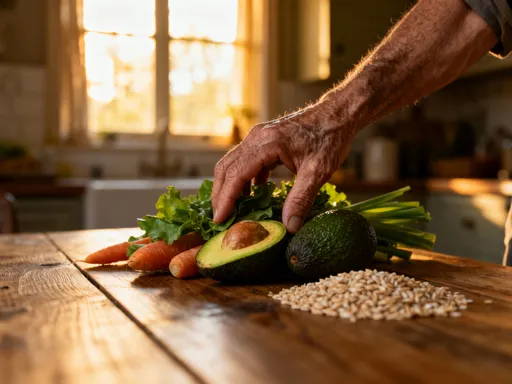
At the same time, I increased my intake of potassium-rich foods, which help counteract sodium’s effects by relaxing blood vessel walls and supporting fluid balance. Bananas, sweet potatoes, spinach, avocados, and white beans became regulars in my meals. I didn’t force myself to eat foods I disliked — instead, I looked for ways to incorporate these into dishes I already enjoyed. A handful of spinach in scrambled eggs, sliced banana on oatmeal, roasted sweet potatoes as a side — these weren’t radical changes, but they were consistent. Research shows that diets rich in fruits, vegetables, whole grains, and lean proteins — such as the DASH (Dietary Approaches to Stop Hypertension) eating plan — can significantly lower blood pressure over time. I didn’t follow it strictly, but I used its principles as a guide.
Another key was learning to eat mindfully. I began paying attention to hunger and fullness cues, eating slowly, and avoiding distractions during meals. This didn’t just help with portion control — it improved digestion and reduced stress-related eating. I also stopped viewing food as the enemy. Instead, I reframed it as daily support — fuel that could either burden or nourish my body. This mental shift reduced guilt and increased motivation. Over months, my taste buds adapted. Foods that once seemed bland now tasted rich and satisfying. And as my blood pressure readings gradually improved, I felt a quiet sense of accomplishment — not because I had followed a perfect diet, but because I had found a way to eat that felt sustainable and kind to my body.
Movement That Fits: Exercise Without Pressure
Like many people, I used to believe that exercise had to be intense to be effective. I imagined hour-long gym sessions, pounding on treadmills, or lifting heavy weights — activities that felt daunting, even intimidating. The thought of adding one more demanding routine to my already busy schedule made me resistant. But what I discovered — thanks to guidance from my healthcare provider — was that movement doesn’t have to be strenuous to be beneficial. In fact, for blood pressure management, consistency matters far more than intensity. Gentle, regular activity can be just as powerful, if not more so, than occasional high-effort workouts.
I started small: a 10-minute walk after dinner. At first, it felt almost too simple. But within weeks, I noticed subtle changes — less stiffness, better sleep, and a calmer mind. Encouraged, I increased to 20 minutes, then 30. I didn’t track every step or push for speed — I focused on showing up. Walking became a form of moving meditation, a time to breathe, observe nature, and disconnect from screens. On days when energy was low, I switched to stretching or gentle yoga. These practices improved flexibility, reduced muscle tension, and helped regulate the nervous system — all of which support healthy blood pressure.
Over time, I added light strength training twice a week, using resistance bands and bodyweight exercises. This wasn’t about building muscle for appearance — it was about function. Stronger muscles improve circulation, enhance metabolism, and support joint health. Even simple movements like squats, wall push-ups, or seated rows made a difference. The key was consistency, not performance. I stopped comparing myself to others or expecting rapid results. Instead, I celebrated showing up, regardless of how I felt. And slowly, the benefits compounded. My average blood pressure readings began to decline. More importantly, I felt more energized, less tense, and more in tune with my body.
Exercise also became a tool for emotional balance. Physical activity naturally reduces stress hormones like cortisol and increases endorphins, the body’s feel-good chemicals. On stressful days, a short walk often cleared my mind more effectively than sitting and ruminating. I no longer saw movement as a chore or punishment — it became a form of self-care. And because it was enjoyable, I was more likely to stick with it. The lesson? You don’t need a gym membership or perfect conditions to move your body. You just need a willingness to start small and keep going.
Stress and the Body: The Hidden Trigger
For years, I underestimated the role of stress in my health. I thought of it as mental or emotional — something to “toughen up” and push through. But chronic stress isn’t just a state of mind; it’s a physiological reality. When the body perceives stress — whether from work, family, finances, or daily hassles — it activates the sympathetic nervous system, triggering the “fight-or-flight” response. Heart rate increases, blood vessels constrict, and stress hormones flood the bloodstream. In short bursts, this is protective. But when stress becomes constant, the body remains in a state of low-grade alert, keeping blood pressure elevated even during rest.
I began to notice patterns: my readings were often higher on busy days, after difficult conversations, or during periods of uncertainty. This wasn’t coincidence — it was biology. The nervous system doesn’t distinguish between physical danger and emotional pressure. A looming deadline affects the body much like a predator would. Over time, this constant activation wears down regulatory systems. What I realized was that managing blood pressure wasn’t just about food and exercise — it was also about calming the nervous system. I needed tools to interrupt the stress cycle, not just endure it.
I started with simple breathing techniques. One method I found effective was diaphragmatic breathing: inhaling slowly through the nose for four counts, holding for four, exhaling for six. Done for just a few minutes, it activated the parasympathetic nervous system — the body’s “rest-and-digest” mode — helping to lower heart rate and relax blood vessels. I practiced this in the morning, before bed, or during short breaks. I also created small pauses throughout the day: stepping outside for fresh air, closing my eyes for a minute, or sipping tea mindfully. These weren’t grand gestures — they were tiny acts of awareness that reminded me I wasn’t always in emergency mode.
I also began to recognize the difference between productive action and rumination. Worrying doesn’t solve problems — it only taxes the body. So I started setting mental boundaries: scheduling time to address concerns, then letting them go. Journaling helped me process thoughts without carrying them all day. Over time, I became more aware of my triggers and better at responding with calm rather than reaction. This didn’t eliminate stress — life will always have challenges — but it reduced its physiological toll. And as my nervous system settled, so did my blood pressure.
Sleep and Rhythm: The Foundation of Balance
Sleep was another piece I had long neglected. I used to pride myself on getting by on six hours, convinced that rest was a luxury rather than a necessity. But research shows that poor sleep disrupts hormone regulation, increases inflammation, and impairs the body’s ability to manage stress — all of which contribute to elevated blood pressure. When I started tracking my patterns, I realized how inconsistent my sleep was: late nights, screen exposure before bed, irregular wake times. My body never had a chance to establish a stable rhythm.
I knew I couldn’t change everything overnight, so I focused on one habit at a time. First, I set a bedtime alarm — not to go to sleep, but to start winding down. I turned off bright lights, put my phone in another room, and replaced scrolling with reading or light stretching. I also adjusted my environment: cooler temperature, blackout curtains, and a white noise machine to minimize disruptions. These small changes improved sleep quality more than I expected. Within weeks, I was falling asleep faster and waking up feeling more refreshed.
The connection between circadian health and cardiovascular stability is well-documented. The body’s internal clock regulates hormone release, metabolism, and blood pressure naturally — typically lowering at night and rising in the morning. When sleep is fragmented or insufficient, this rhythm becomes disrupted, leading to higher nighttime and early-morning readings. By prioritizing consistent sleep, I supported my body’s natural cycles. I also noticed that on well-rested days, I made healthier food choices, moved more willingly, and handled stress with greater resilience.
Sleep became less of a passive state and more of an active part of my health strategy. I stopped viewing it as lost time and started seeing it as essential recovery. Just as an athlete needs rest to perform, so does anyone managing their health. Over time, my average blood pressure stabilized further. More than the numbers, I felt a deeper sense of balance — a steady calm that carried through my days. This wasn’t about perfection; it was about honoring my body’s need for rhythm.
Long-Term Mindset: Progress Over Perfection
One of the most important lessons I learned was to accept fluctuations as normal. There were days when my readings were higher despite doing everything “right.” At first, I saw these as failures — proof that I had slipped. But my doctor reminded me that blood pressure varies naturally. Hydration, weather, hormones, even the time of day can influence readings. What matters is the overall trend, not isolated numbers. This perspective freed me from self-judgment. Instead of reacting emotionally, I began tracking patterns in a journal — noting food, activity, sleep, and stress levels. Over time, I could see correlations and adjust accordingly.
The changes that lasted weren’t the dramatic ones — they were the small, sustainable habits I could maintain without burnout. It took months before my average readings consistently improved. But because the changes were gradual, they stuck. I didn’t lose motivation because I wasn’t chasing a quick fix. I was building a new normal — one that didn’t feel like deprivation, but like care. Blood pressure management became less of a medical task and more of a daily practice of self-respect.
Patience was essential. I had to let go of the idea that effort should yield immediate results. Health is not a sprint — it’s a lifelong journey. What helped me most was focusing on how I felt, not just what the monitor showed. More energy, better sleep, improved mood — these were signs of progress, even on days when the numbers didn’t budge. And as my confidence grew, so did my commitment. This wasn’t about punishing my body for past choices — it was about honoring it with consistent, compassionate action.
Conclusion: A Life Adjusted, Not Restricted
Looking back, my journey with blood pressure wasn’t about a single breakthrough — it was about a series of small, intentional choices that added up over time. I moved from reacting to fear to acting with awareness. I stopped seeking perfection and started valuing consistency. The changes I made weren’t extreme or rigid — they were realistic, sustainable, and deeply personal. What worked for me may not work exactly the same for someone else, but the principles remain: support your body through food, movement, rest, and calm; work with your healthcare provider; and approach health as an ongoing act of care, not punishment.
Blood pressure management isn’t a destination — it’s a continuous process of listening and responding. It’s about recognizing that your body is not broken, but in need of balance. And that balance is possible, not through drastic measures, but through daily, mindful choices. You don’t have to do everything at once. Start with one small step — a walk, a meal with less salt, a few deep breaths, an earlier bedtime. Build from there. With time, patience, and professional guidance, better balance is within reach. It’s not about restriction — it’s about creating a life that supports your well-being, one gentle choice at a time.