How I rebuilt strength after injury — real talk on rehab that actually works
Recovering from an injury isn’t just about healing—it’s about relearning how to move, trust your body again, and stay consistent when progress feels slow. I’ve been through rehab twice, and what I learned changed my entire view on fitness. It’s not just exercises—it’s mindset, timing, and smart choices. This is a comprehensive look at rehabilitation training that respects your body while pushing it forward. Recovery isn’t a race; it’s a process grounded in patience, precision, and purpose. The journey back to strength is rarely linear, but with the right approach, it can be transformative—not only physically but mentally. What follows is not just a guide, but a reflection on how rehabilitation reshapes our relationship with movement, resilience, and self-awareness.
The Hidden Struggle of Injury Recovery
Injury recovery is often portrayed as a straightforward timeline: rest, heal, return. But the reality is far more complex, especially for individuals managing daily responsibilities while navigating physical limitations. The emotional toll of being sidelined—frustration, anxiety, even grief over lost abilities—can be as debilitating as the injury itself. Simple tasks like carrying groceries, climbing stairs, or playing with children become daunting. This loss of independence can erode confidence and lead to avoidance behaviors, where movement is feared rather than embraced. Many people assume that once pain subsides, they are ready to resume normal activity. However, this misconception can set the stage for setbacks.
One of the most common mistakes in recovery is underestimating the psychological dimension of healing. Fear of re-injury causes some to move too cautiously, while others overcompensate by pushing too hard, too soon. Both extremes hinder progress. There is a delicate balance between protecting the injured area and stimulating it enough to rebuild strength and coordination. Without proper guidance, many resort to incomplete or incorrect rehabilitation routines—sometimes copying workouts seen online without understanding their specific needs. This one-size-fits-all approach often neglects the root causes of dysfunction, leading to recurring issues.
Rehabilitation is not passive rest. It is active rebuilding. While rest plays a role in the initial phase, long-term recovery demands intentional movement. Tissues need controlled stress to regain strength, and the nervous system requires repetition to relearn safe, efficient movement patterns. When rehab is skipped or done incorrectly, the body adapts in ways that may seem functional but are biomechanically flawed. These compensations—such as shifting weight to one side, altering gait, or using secondary muscles to perform primary tasks—can create new imbalances. Over time, these small deviations accumulate, increasing the risk of future injuries. Understanding this hidden struggle is the first step toward a smarter, more sustainable recovery.
What Rehabilitation Training Really Means
Rehabilitation training is often misunderstood as a series of generic exercises prescribed after an injury. In truth, it is a structured, progressive process designed to restore function, improve movement quality, and reduce the likelihood of recurrence. At its core, rehab training is not about building muscle mass or achieving peak performance immediately—it’s about re-establishing the foundational elements of movement: mobility, stability, strength, and neuromuscular control. These components work together to ensure the body can move safely and efficiently across a full range of motion. Without addressing each of these areas, recovery remains incomplete, no matter how much time has passed since the injury.
The rehabilitation process can be divided into two main phases: acute recovery and long-term functional restoration. Acute recovery occurs immediately after injury and focuses on reducing inflammation, protecting the affected area, and initiating gentle movement to prevent stiffness. This stage may involve modalities such as ice, compression, or elevation, along with minimal loading to support tissue healing. However, this phase should not extend indefinitely. Staying in protective mode for too long can lead to muscle atrophy, joint stiffness, and decreased circulation, all of which slow overall recovery.
Long-term functional restoration begins once the acute symptoms subside. This phase emphasizes progressive loading—gradually increasing the demand on tissues in a controlled way. It includes targeted exercises to improve joint mobility, activate weakened muscles, and retrain movement patterns. For example, someone recovering from a knee injury will not only strengthen the quadriceps but also work on hip stability, ankle mobility, and balance to ensure the entire kinetic chain functions harmoniously. The goal is not just to return to previous activity levels but to emerge stronger and more resilient than before. Rehabilitation, when done correctly, transforms the body’s relationship with movement, turning vulnerability into strength.
Why Your Body Needs More Than Just Time to Heal
Time alone does not heal all injuries. While biological tissue repair follows a predictable timeline—such as inflammation, proliferation, and remodeling—this process does not automatically restore optimal function. Muscles, tendons, ligaments, and bones may heal structurally, but the way the body moves often remains disrupted. This is because injury affects not only the physical structure but also the nervous system’s control over movement. After an injury, the brain may suppress certain muscle activations to protect the area, leading to what is known as neuromuscular inhibition. Even after the tissue has healed, these neural pathways may remain altered, causing weakness or poor coordination.
Muscle memory, or motor control, is highly adaptable but also fragile. When movement patterns are interrupted by pain or immobility, the body develops compensatory strategies to maintain function. For instance, someone with a shoulder injury might rely more on their neck and upper trapezius muscles to lift objects, shifting the workload away from the injured area. Over time, these compensations become habitual, even after the original injury has resolved. The result is a body that moves inefficiently, placing undue stress on joints and soft tissues that were not designed to bear that load. These dysfunctional patterns increase the risk of secondary injuries, sometimes in seemingly unrelated areas.
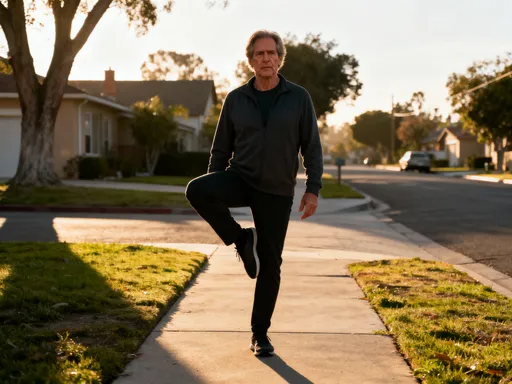
This is why rehabilitation must go beyond passive healing. Active retraining of movement is essential to re-establish proper neuromuscular communication. Exercises that focus on low-load, high-repetition movements with precise form help re-educate the brain and muscles to work together effectively. Proprioception drills—such as standing on one leg or using balance boards—improve joint position sense, which is critical for preventing re-injury. Breathing techniques also play a role, as proper diaphragmatic breathing supports core stability and reduces unnecessary tension in the shoulders and neck. Healing is not just about waiting; it’s about actively rebuilding the connection between mind and body.
The Core Principles of Effective Rehab (Backed by Science)
Effective rehabilitation is not based on guesswork or tradition—it is grounded in scientific principles that have been validated through research and clinical practice. Three key pillars form the foundation of successful rehab: progressive loading, movement quality over quantity, and individualization. Progressive loading refers to the gradual increase of stress placed on tissues in a controlled manner. This principle is supported by the mechanostat theory, which states that bones, muscles, and connective tissues adapt and strengthen in response to mechanical load. Too little load leads to deconditioning; too much leads to re-injury. The goal is to find the “sweet spot” where the tissue is challenged just enough to stimulate adaptation without causing damage.
Movement quality takes precedence over the number of repetitions or the amount of weight lifted. In rehabilitation, performing an exercise correctly—even at a low intensity—is more beneficial than doing it incorrectly with higher effort. Poor form reinforces faulty movement patterns and increases joint stress. For example, during a squat, if the knees collapse inward due to weak hip abductors, repeating this motion hundreds of times will strengthen the dysfunction rather than correct it. Instead, rehab focuses on mastering basic movements with precision, using mirrors, tactile cues, or video feedback to ensure alignment and control.
Individualization is another cornerstone of effective rehab. No two injuries are exactly alike, even if they occur in the same body part. Factors such as age, fitness level, lifestyle, and previous injury history influence how a person responds to treatment. A 45-year-old mother recovering from a back strain will have different needs than a 28-year-old athlete with the same diagnosis. Therefore, rehab programs must be tailored to the individual’s goals, limitations, and daily demands. Evidence shows that personalized programs lead to better adherence and outcomes. One real-life example is the recovery from a lateral ankle sprain. Instead of jumping straight into running or jumping, the process begins with weight-bearing exercises, progresses to balance drills, then to controlled hopping, and finally to sport-specific movements. Each stage builds confidence and capacity, reducing the risk of recurrence.
Building Your Own Smart Rehab Plan: From Pain to Performance
Creating a personalized rehab plan doesn’t require advanced medical knowledge, but it does require intention, consistency, and self-awareness. A practical framework to guide this process includes five key steps: assess, activate, mobilize, strengthen, and integrate. The assessment phase begins with observing how you move during everyday activities. Can you bend down to tie your shoes without pain? Do you limp when walking? These observations provide insight into which areas need attention. Activating dormant muscles—such as the glutes or deep core stabilizers—is often the first physical step. These muscles may be “on vacation” after an injury, so gentle contractions, like pelvic tilts or heel slides, help wake them up.
Mobilization follows activation. This involves improving joint range of motion through gentle stretching, foam rolling, or dynamic movements. For example, someone recovering from a hip injury might perform leg swings or knee-to-chest stretches to restore mobility. Strengthening comes next, but not in the traditional sense of lifting heavy weights. Early-stage rehab uses bodyweight exercises, resistance bands, or light weights to build strength without overloading healing tissues. Examples include wall push-ups, seated rows with bands, or single-leg stands. The focus remains on form, control, and breathing throughout each movement.
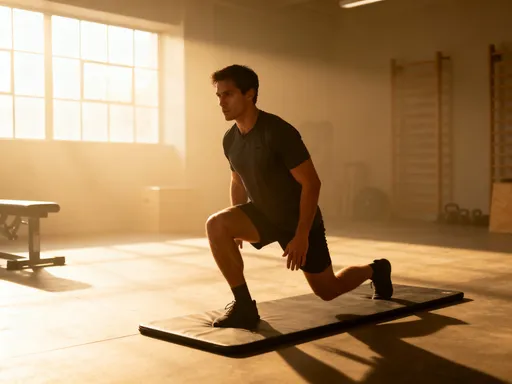
The final step—integration—bridges the gap between isolated exercises and real-world function. It involves combining multiple movements into functional patterns, such as squat-to-reach, step-ups, or controlled lunges. This phase prepares the body for daily demands, whether that’s gardening, carrying children, or returning to a fitness class. A sample daily routine might include diaphragmatic breathing for two minutes, glute bridges for activation, ankle circles and hip openers for mobility, clamshells with a band for strengthening, and a supported squat with a chair for integration. The key is consistency—doing a little each day rather than pushing hard once a week. Listening to your body’s signals is crucial: mild discomfort may be acceptable, but sharp pain is a warning sign to stop and reassess.
Common Mistakes That Slow Down Recovery (And How to Avoid Them)
Even with the best intentions, many people unknowingly sabotage their recovery by making common mistakes. One of the most frequent errors is rushing back to activity too soon. The desire to return to normal life—whether it’s work, exercise, or family routines—can override caution. However, resuming high-demand activities before the body is ready increases the risk of re-injury and prolongs the overall recovery timeline. Another mistake is copying rehabilitation routines from others, such as friends, social media influencers, or generic online videos. Just because an exercise helped someone else doesn’t mean it’s appropriate for your specific condition. Injuries vary in severity and location, and so should the treatment.
Neglecting weak links in the kinetic chain is another pitfall. For example, someone with chronic knee pain may focus only on quadriceps strengthening, ignoring hip or ankle mobility issues that are actually contributing to the problem. A comprehensive rehab approach addresses not just the site of pain but the surrounding areas that influence movement. Additionally, many people equate effort with effectiveness, believing that more reps, heavier weights, or longer sessions lead to faster progress. In reality, overtraining during rehab can cause inflammation, fatigue, and setbacks. Quality always trumps quantity.
To avoid these mistakes, use simple self-checks during exercise. Can you perform the movement without holding your breath? Are your shoulders relaxed, or are they creeping up toward your ears? Is your lower back arching excessively during a bridge? These subtle cues indicate tension, compensation, or poor form. Another useful strategy is to rate your effort on a scale of 1 to 10, aiming to stay between 4 and 6 during early rehab phases. This prevents overexertion while still providing enough stimulus for adaptation. Keeping a rehab journal to track exercises, pain levels, and progress can also enhance accountability and awareness. Small, consistent improvements add up over time, leading to lasting results.
When to Seek Help and How to Work With Professionals
While self-guided rehabilitation can be effective for minor strains or sprains, there are clear signs that professional help is needed. Persistent pain lasting more than two weeks, significant loss of range of motion, swelling that doesn’t improve, or difficulty bearing weight should prompt a consultation with a physical therapist or healthcare provider. Additionally, if symptoms worsen despite home care, or if you’re unsure how to proceed safely, seeking expert guidance is not a sign of failure—it’s a smart, proactive choice. Physical therapists are trained to assess movement patterns, identify underlying dysfunctions, and design individualized programs that address both symptoms and root causes.
When working with a professional, communication is key. Come prepared with questions: What is the expected timeline for recovery? Which movements should I avoid? How do I know if I’m progressing appropriately? A good therapist will explain the rationale behind each exercise and adjust the program based on your feedback. They may also use manual therapy, taping, or specialized equipment to support healing. Don’t hesitate to ask for clarification if something feels unclear or uncomfortable. Your input matters—rehab is a collaborative process.
Professional guidance not only improves outcomes but also prevents unnecessary frustration and setbacks. Studies show that patients who follow therapist-led programs are more likely to return to full function and less likely to experience re-injury. Moreover, having someone to monitor your progress provides accountability and motivation, especially during plateaus. Remember, rehab is not a solo journey. Even elite athletes rely on medical and training teams to recover safely. There is strength in seeking help, and doing so reflects a commitment to long-term health rather than quick fixes.
Conclusion: Rehab as a Lifelong Health Mindset
Rehabilitation should not be viewed as a temporary fix reserved for moments of crisis. Instead, it is a foundational practice that supports lifelong health and resilience. The lessons learned during recovery—patience, attention to detail, listening to your body—are applicable far beyond the injury itself. They shape a smarter, more sustainable approach to movement and wellness. Every setback carries the potential for growth, offering an opportunity to correct old habits, strengthen weak areas, and develop greater body awareness.
True strength is not measured solely by how much weight you can lift or how fast you can run. It is also defined by consistency, adaptability, and the courage to move forward even when progress feels invisible. Rehabilitation teaches us that healing is not passive; it requires active participation, thoughtful choices, and trust in the process. By embracing rehab as a mindset rather than a chore, we build not only stronger bodies but also stronger minds. The journey back from injury is never easy, but with the right principles, support, and perspective, it can become one of the most empowering chapters in your health story.