What I Learned About Eating Right as a Woman — No Gimmicks, Just Real Talk
Navigating women’s health through diet can feel overwhelming. Hormones, energy levels, and mood all respond to what we eat — yet so much advice is overly rigid or unrealistic. I’ve been there: cutting out foods, only to feel worse. Over time, I discovered that true dietary balance isn’t about strict rules, but informed choices that support the female body. This guide shares what actually works — no extremes, just sustainable, science-backed insights tailored to women’s unique needs. It’s not about perfection, but about consistency, awareness, and compassion for the way our bodies function at different stages of life. The journey to better eating begins not with restriction, but with understanding.
Understanding Women’s Unique Nutritional Needs
The female body operates on a complex system of hormonal rhythms, metabolic shifts, and physiological changes that directly influence how nutrients are used and required. From puberty through menopause, women experience fluctuations in estrogen, progesterone, and other hormones that affect everything from energy metabolism to bone density and emotional well-being. These biological differences mean that nutritional needs for women are not simply smaller versions of male requirements — they are distinct and dynamic. Recognizing this is the first step toward building a diet that supports long-term health rather than chasing trends designed for generalized populations.
One of the most significant distinctions lies in iron needs. Due to monthly menstrual blood loss, women of reproductive age require nearly twice as much iron as men — approximately 18 milligrams per day compared to 8 milligrams. Insufficient iron intake can lead to fatigue, weakened immunity, and even anemia, which affects millions of women worldwide. Iron-rich foods such as lean red meat, lentils, spinach, and fortified grains play a vital role in maintaining energy and cognitive function. Pairing these with vitamin C-rich foods like bell peppers or citrus enhances absorption, making meal combinations an important consideration.
Bone health is another critical area where women face unique challenges. Estrogen plays a protective role in maintaining bone density, but its decline during perimenopause and menopause increases the risk of osteoporosis. Calcium and vitamin D become especially important during these stages. While dairy products are common sources of calcium, alternatives like fortified plant milks, leafy greens, and canned fish with bones (such as sardines) offer viable options. Vitamin D, often called the “sunshine vitamin,” supports calcium absorption and immune function, yet many women, particularly those with limited sun exposure or darker skin tones, may benefit from supplementation under medical guidance.
Folate, or vitamin B9, is essential not only during pregnancy but throughout a woman’s reproductive years. It supports DNA synthesis and red blood cell formation and helps prevent neural tube defects in early pregnancy — often before a woman knows she is pregnant. Health authorities recommend 400 micrograms daily for all women capable of becoming pregnant. Folate is naturally found in dark leafy greens, legumes, and citrus fruits, while folic acid — its synthetic form — is added to many fortified cereals and supplements. Omega-3 fatty acids, particularly EPA and DHA, also hold special importance for women, contributing to heart health, brain function, and inflammation control. Fatty fish like salmon and mackerel are excellent sources, though algae-based supplements provide a plant-derived alternative.
Common Dietary Restrictions Women Face — And Why They Matter
Dietary restrictions are increasingly common among women, whether due to diagnosed conditions, personal preferences, or health goals. Lactose intolerance, for example, affects a large portion of the global population, with prevalence varying by ethnicity. Symptoms such as bloating, gas, and abdominal discomfort often appear after consuming dairy products, prompting many women to eliminate or reduce milk, cheese, and yogurt from their diets. While this can improve digestive comfort, it also raises concerns about calcium and vitamin D intake, necessitating careful planning to ensure nutritional adequacy.
Gluten sensitivity and celiac disease are other areas where dietary modification becomes necessary. Celiac disease is an autoimmune disorder triggered by gluten — a protein found in wheat, barley, and rye — and requires strict lifelong avoidance. Non-celiac gluten sensitivity, while less understood, can still cause fatigue, joint pain, and digestive issues in some individuals. For women managing these conditions, navigating food labels and cross-contamination risks becomes part of daily life. However, going gluten-free without medical necessity has become a popular trend, sometimes leading to unintended consequences such as reduced fiber intake or reliance on processed gluten-free products that are high in sugar and low in nutrients.
Plant-based eating is another growing choice among women, driven by ethical, environmental, or health motivations. Vegetarian and vegan diets can offer numerous benefits, including lower cholesterol levels, reduced risk of heart disease, and improved weight management. Yet they also require attention to specific nutrients that are more readily available in animal products — namely vitamin B12, iron, zinc, and omega-3s. Vitamin B12, for instance, is not naturally present in plant foods, so supplementation or fortified foods are essential for those avoiding animal products entirely. Iron from plant sources (non-heme iron) is less efficiently absorbed than iron from meat (heme iron), so pairing plant-based iron with vitamin C-rich foods becomes even more crucial.
Food allergies represent another layer of complexity. Common allergens such as nuts, shellfish, eggs, and soy must be strictly avoided by those affected, requiring vigilance when dining out or preparing meals for others. Allergic reactions can range from mild skin rashes to life-threatening anaphylaxis, underscoring the seriousness of proper diagnosis and management. At the same time, self-diagnosed food intolerances are on the rise, sometimes leading to unnecessarily restrictive diets that may compromise overall nutrition. Eliminating multiple food groups without professional guidance can result in deficiencies, especially in women who already face higher demands for certain micronutrients. The key lies in distinguishing between medically necessary restrictions and temporary experiments aimed at symptom relief.
The Truth About Hormones and Food Choices
Hormonal balance is deeply intertwined with what and when we eat. Blood sugar regulation, in particular, plays a central role in how women experience energy, mood, and premenstrual symptoms. When meals are high in refined carbohydrates and added sugars, blood glucose levels spike rapidly, followed by sharp drops that can trigger irritability, fatigue, and cravings. These fluctuations are especially noticeable in the days leading up to menstruation, when many women report increased appetite and emotional sensitivity. By choosing foods that release energy gradually — such as whole grains, legumes, and non-starchy vegetables — it’s possible to maintain more stable blood sugar levels and reduce these symptoms.
Estrogen metabolism is another area influenced by diet. The liver processes excess estrogen for elimination, and this process depends on adequate protein intake and certain nutrients like B vitamins and fiber. A diet low in fiber may slow estrogen clearance, potentially contributing to estrogen dominance — a condition associated with heavy periods, breast tenderness, and fibroids. Cruciferous vegetables such as broccoli, cauliflower, and Brussels sprouts contain compounds like indole-3-carbinol that support healthy estrogen metabolism. Including a variety of colorful vegetables daily helps ensure a broad spectrum of phytonutrients that support hormonal balance.
Healthy fats are essential for hormone production, as sex hormones are synthesized from cholesterol. Extremely low-fat diets can disrupt menstrual cycles and impair fertility. On the other hand, excessive intake of processed fats — particularly trans fats and certain industrial seed oils — may promote inflammation and negatively affect hormonal signaling. Prioritizing sources of monounsaturated and polyunsaturated fats, such as avocados, olive oil, nuts, seeds, and fatty fish, supports both cardiovascular and endocrine health. Omega-3 fatty acids, in particular, have been shown to reduce inflammation and may help alleviate menstrual pain and mood disturbances linked to PMS.
Meal timing also influences hormonal rhythms. Irregular eating patterns, skipping meals, or prolonged fasting can disrupt cortisol and insulin balance, affecting sleep quality and stress resilience. For women with sensitive hormonal systems, consistency matters. Eating balanced meals at regular intervals helps maintain metabolic stability and prevents the energy crashes that often lead to overeating later in the day. Some women find benefit in adjusting their intake across the menstrual cycle — for example, increasing complex carbohydrates and iron-rich foods during menstruation, and focusing on protein and healthy fats in the luteal phase when appetite often rises. These shifts don’t require rigid tracking but can be guided by bodily cues and mindful eating practices.
Cutting Out the Noise: What “Healthy Eating” Really Means for Women
The term “healthy eating” has been co-opted by marketing campaigns, social media influencers, and fad diets that often promote extreme behaviors under the guise of wellness. Detoxes, juice cleanses, and “clean eating” protocols promise quick fixes but frequently lead to nutrient imbalances, slowed metabolism, and disordered relationships with food. These approaches rarely consider the biological realities of women’s bodies, particularly the need for consistent energy and hormonal support. True health is not defined by how restrictive a diet is, but by how well it sustains physical function, mental clarity, and emotional balance over time.
One of the most harmful myths is the idea that certain foods are inherently “good” or “bad.” This black-and-white thinking fosters guilt and shame around eating, especially when cravings arise or social events involve foods outside rigid guidelines. Labeling a piece of cake as “cheating” reinforces a punitive mindset that undermines long-term success. Instead, viewing food as nourishment — with room for enjoyment and flexibility — creates a more sustainable and positive relationship with eating. Moderation, not elimination, should be the guiding principle for most women.
Another concern is the normalization of chronic restriction, especially among middle-aged women trying to manage weight changes related to aging or hormonal shifts. While maintaining a healthy weight is important for reducing the risk of chronic diseases, extreme calorie cutting can backfire by slowing metabolism, increasing hunger hormones, and impairing thyroid function. Research shows that repeated cycles of dieting are associated with weight regain and increased abdominal fat over time. Rather than focusing on short-term results, women are better served by adopting habits that support metabolic health, such as strength training, adequate protein intake, and stress management.
Realistic, evidence-based nutrition emphasizes variety, balance, and adequacy. It includes all food groups unless medically contraindicated and prioritizes whole, minimally processed foods without demonizing occasional treats. It recognizes that cultural traditions, personal preferences, and lifestyle factors all shape eating patterns. A woman who enjoys cooking may find joy in preparing fresh meals, while another may rely on convenient, nutritious options due to a busy schedule. Neither approach is superior — what matters is that the diet meets individual needs and supports overall well-being without causing stress or deprivation.
Building a Sustainable Plate: Simple Frameworks Over Rules
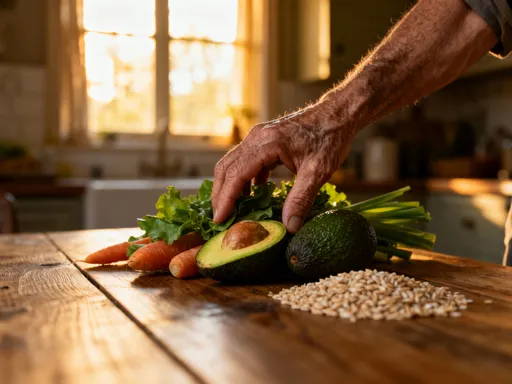
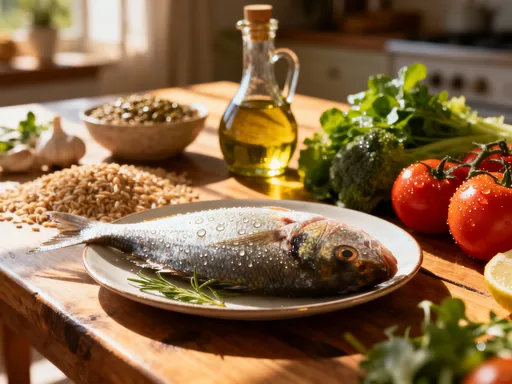
Creating balanced meals doesn’t require complicated calculations or strict rules. A practical framework is to include four key components at each main meal: protein, fiber, healthy fats, and complex carbohydrates. Protein supports muscle maintenance, satiety, and hormone production. Good sources include lean meats, poultry, fish, eggs, tofu, legumes, and Greek yogurt. Fiber, found in vegetables, fruits, whole grains, and legumes, promotes digestive health, stabilizes blood sugar, and supports beneficial gut bacteria. Healthy fats, such as those from avocados, nuts, seeds, and olive oil, enhance nutrient absorption and contribute to long-lasting energy. Complex carbohydrates like oats, quinoa, sweet potatoes, and brown rice provide sustained fuel and are rich in B vitamins and minerals.
A sample day of eating aligned with women’s metabolic needs might begin with a breakfast of scrambled eggs with spinach and tomatoes, served with a slice of whole grain toast and a small avocado. This combination delivers protein, fiber, healthy fats, and complex carbs to start the day with steady energy. A mid-morning snack could include Greek yogurt with berries and a sprinkle of chia seeds, offering calcium, antioxidants, and omega-3s. Lunch might feature a large salad with mixed greens, grilled chicken, chickpeas, cucumbers, carrots, and a dressing made with olive oil and lemon juice — a nutrient-dense meal that supports fullness and hormonal balance.
In the afternoon, a handful of almonds and an apple provides a satisfying mix of protein, fiber, and natural sugars to prevent energy dips. Dinner could consist of baked salmon, roasted Brussels sprouts, and a serving of quinoa — delivering omega-3s, fiber, and complete protein. Including a small piece of dark chocolate after dinner satisfies sweet cravings while providing antioxidants. This pattern ensures a wide range of nutrients throughout the day without requiring precise portion control or elimination of food groups.
Adapting meals around the menstrual cycle can further enhance well-being. During menstruation, when iron loss occurs and energy levels may dip, emphasizing iron-rich foods and easily digestible carbohydrates can help. In the follicular phase, as energy and metabolism rise, women may naturally crave more varied and substantial meals. The luteal phase, often marked by increased appetite and bloating, benefits from higher fiber intake, adequate hydration, and reduced salt to manage fluid retention. These adjustments don’t require strict tracking but can be guided by paying attention to hunger cues, energy levels, and physical sensations. The goal is responsiveness, not rigidity.
Navigating Social and Emotional Challenges Around Food
Even with the best intentions, food choices are often influenced by social settings, family dynamics, and emotional states. Gatherings centered around food — holidays, birthday parties, workplace celebrations — can create pressure to conform to what others are eating, especially when dietary preferences or restrictions are involved. Women may feel self-conscious explaining their choices or fear being perceived as difficult. In such moments, confidence comes from clarity about personal goals and a non-defensive way of communicating needs. Simply stating, “I feel my best when I eat this way,” without justification, can be enough to set boundaries while maintaining connection.
Guilt and anxiety around food are common, particularly when eating something considered “off-limits” by diet culture standards. These feelings often stem from internalized rules rather than actual health consequences. A single meal or snack does not determine long-term health outcomes. What matters most is the overall pattern of eating over time. Allowing room for flexibility reduces the psychological burden of perfectionism and prevents the binge-restrict cycle that many women unknowingly fall into. Cravings themselves are not enemies; they can signal unmet needs — whether for specific nutrients, rest, or emotional comfort.
Developing strategies to manage emotional eating is crucial. Instead of suppressing cravings, it helps to pause and ask: Am I truly hungry? Am I tired, stressed, or lonely? Sometimes, a walk, a phone call with a friend, or a few minutes of deep breathing can address the root cause more effectively than food. When eating for comfort is chosen consciously and without guilt, it becomes a valid part of self-care rather than a source of shame. Over time, this shift in mindset fosters greater self-trust and resilience.
Supportive environments make a significant difference. When family members understand the reasons behind certain food choices, cooperation increases. Involving children in meal planning or preparing dishes that accommodate multiple preferences can reduce friction at mealtimes. At work, bringing a nutritious lunch or keeping healthy snacks on hand helps maintain energy and focus without relying on vending machines or office treats. Ultimately, confidence grows when women see that their choices lead to tangible improvements in how they feel — more energy, better sleep, improved mood — reinforcing the value of consistent, mindful eating.
Putting It All Together: A Lifelong Approach to Women’s Dietary Wellness
Sustainable nutrition is not a destination but a lifelong journey shaped by self-awareness, adaptation, and compassion. Every woman’s body is different, and what works at one stage of life may need adjustment during another — whether due to pregnancy, perimenopause, chronic conditions, or changes in activity level. The most effective approach is one that listens to internal cues rather than blindly following external trends. Hunger and fullness signals, energy levels, skin health, and menstrual regularity all provide valuable feedback about whether dietary patterns are supportive.
There is also great value in seeking professional guidance when needed. Registered dietitians, nutritionists, and healthcare providers can help identify nutrient gaps, interpret lab results, and create personalized plans that address specific concerns. This is especially important for women with medical conditions such as polycystic ovary syndrome (PCOS), endometriosis, or thyroid disorders, where diet plays a supportive role in management. Working with trusted experts ensures that changes are safe, effective, and grounded in science rather than anecdote.
Finally, food should be a source of strength, pleasure, and connection — not stress or fear. Reclaiming meals as moments of nourishment and presence can transform the daily experience of eating. Cooking at home, sharing meals with loved ones, savoring flavors, and appreciating the effort behind food all contribute to a healthier relationship with what we consume. When women view nutrition as an act of self-respect rather than punishment, they unlock lasting well-being that extends far beyond the plate. The goal is not perfection, but progress — one balanced, intentional choice at a time.