How I Turned My Fatty Liver Around with Simple Daily Food Choices
Fatty liver isn’t just a medical term—it’s a quiet alarm many of us ignore. I ignored it too, until fatigue and scan results hit hard. The good news? Small, science-backed dietary shifts made a real difference. This isn’t a miracle fix, but a practical, doable approach I tested daily. No extreme rules—just clear principles that fit real life. If your doctor mentioned "fatty liver," this is for you. What began as a routine check-up became a turning point. I wasn’t overweight. I didn’t drink excessively. Yet there it was—fatty liver disease, quietly building in my body. The diagnosis was a wake-up call. But more importantly, it was a chance. A chance to act before irreversible damage. And the most powerful tool I had wasn’t medication or surgery. It was my fork.
The Wake-Up Call: When I Found Out About My Fatty Liver
For months, I blamed my fatigue on a busy schedule. Mornings felt heavier. Afternoons brought a fog that no coffee could clear. I chalked it up to aging, stress, or just being a working mother juggling home and family. But when I started feeling discomfort on the upper right side of my abdomen—just a dull ache, nothing sharp—I decided to see my doctor. Blood work came back with elevated liver enzymes. That was the first red flag. Then came the ultrasound, which confirmed it: non-alcoholic fatty liver disease (NAFLD). I remember sitting in the exam room, stunned. How could this happen to me? I didn’t drink much, I exercised occasionally, and I tried to eat well. But the images didn’t lie. My liver was holding onto too much fat.
That moment changed everything. I realized I had been ignoring the subtle signals my body had been sending. Fatigue, brain fog, occasional bloating—these weren’t just part of life. They were clues. What I learned next was both alarming and hopeful. Fatty liver, especially in its early stages, is often reversible. The liver is one of the few organs in the body with the ability to regenerate. But that regeneration only happens if the damage stops. If left unchecked, fatty liver can progress to inflammation (steatohepatitis), fibrosis, and even cirrhosis. The key is early intervention. And the most effective intervention, according to research, is lifestyle—especially diet.
My diagnosis wasn’t a life sentence. It was a warning, and I chose to listen. I didn’t want to wait until I needed medication or, worse, face long-term complications. I wanted to take control—starting with what I put on my plate. I didn’t need perfection. I needed sustainable, science-based changes. And that’s exactly what I began to build, one meal at a time.
What Fatty Liver Actually Is (And What It Isn’t)
When I first heard "fatty liver," I thought it meant I’d eaten too much fat. That’s a common misconception. In reality, fatty liver—specifically non-alcoholic fatty liver disease (NAFLD)—refers to the buildup of excess fat in liver cells, not from alcohol consumption. The liver naturally contains some fat, but when fat makes up more than 5 to 10 percent of the organ’s weight, it’s considered fatty liver. This condition affects nearly 1 in 4 adults worldwide, making it one of the most common liver disorders. Yet most people don’t know they have it because it often causes no symptoms in the early stages.
Here’s what many don’t realize: fatty liver isn’t limited to people who are overweight or obese. While excess body weight is a major risk factor, even individuals with a normal body mass index (BMI) can develop it. This is sometimes called "lean NAFLD." It can also affect younger adults and even children, especially with the rise in processed food consumption. The real culprit isn’t dietary fat—it’s excess sugar and refined carbohydrates. When we consume too much sugar, particularly fructose, the liver converts it into fat. Over time, this leads to fat accumulation in liver cells, impairing its ability to function properly.
Another myth is that fatty liver is harmless. While it may start as a mild condition, it can progress silently. Without intervention, about 20 to 30 percent of people with NAFLD develop a more severe form called non-alcoholic steatohepatitis (NASH), which involves liver inflammation and can lead to scarring. The danger lies in its invisibility. Most people feel fine until significant damage has occurred. That’s why early detection through routine blood tests and imaging is so important. Understanding what fatty liver truly is—and what it isn’t—was the first step in reclaiming my health.
Why Diet Matters More Than Anything Else
The liver is the body’s metabolic powerhouse. It processes nutrients, filters toxins, regulates blood sugar, and produces proteins essential for blood clotting and immune function. When the liver becomes overloaded—especially with sugar and processed foods—its ability to perform these tasks declines. Diet is the single most influential factor in reversing fatty liver because it directly affects the liver’s workload. Unlike other organs, the liver doesn’t have pain receptors, so it can’t send clear signals when it’s struggling. But it responds quickly—both negatively and positively—to what we eat.
Sugar, particularly in the form of high-fructose corn syrup, is one of the biggest drivers of liver fat. When we consume fructose, it’s almost entirely metabolized by the liver. Unlike glucose, which can be used by all cells, fructose is converted into fat when consumed in excess. This process, known as de novo lipogenesis, directly contributes to fat buildup in the liver. Sugary drinks—sodas, sweetened teas, fruit juices—are especially harmful because they deliver large amounts of fructose without the fiber that slows absorption. Studies have shown that reducing sugar intake, especially from beverages, can lead to significant reductions in liver fat within weeks.
Refined carbohydrates—white bread, pastries, white rice, and many breakfast cereals—also play a major role. These foods break down quickly into glucose, spiking insulin levels. High insulin promotes fat storage, including in the liver. Over time, this can lead to insulin resistance, a condition closely linked to fatty liver. Research published in the Journal of Hepatology found that individuals who followed a low-refined-carbohydrate diet experienced greater reductions in liver fat compared to those on low-fat diets. This highlights a crucial point: it’s not about cutting all carbs or all fats—it’s about choosing the right kinds.
Dietary patterns matter. The Mediterranean diet, rich in whole grains, vegetables, legumes, healthy fats, and lean proteins, has been consistently associated with lower liver fat levels. A 2020 study in The New England Journal of Medicine showed that people who followed this pattern had up to 30 percent less liver fat than those on typical Western diets. The takeaway is clear: food is medicine for the liver. By making intentional choices, we can reduce the liver’s burden and support its natural healing ability.
The 4 Core Dietary Principles That Actually Worked for Me
After my diagnosis, I knew I needed a plan—one that was realistic and sustainable. I worked with a registered dietitian to develop four core principles that became the foundation of my daily eating. These weren’t about strict rules or deprivation. They were about shifting habits in a way that felt natural and nourishing.
Principle 1: Cut out added sugars. This was the hardest at first, but also the most impactful. I started by eliminating sugary drinks. No more soda, no sweetened iced tea, no fruit juice—even the "healthy" ones with added sugar. I switched to water, herbal teas, and sparkling water with a splash of lemon. I also read labels carefully. Many packaged foods, like yogurt, granola bars, and sauces, contain hidden sugars. I learned to recognize names like high-fructose corn syrup, cane sugar, and maltose. Over time, my taste buds adjusted. I no longer craved sweetness the way I used to. This single change made a noticeable difference in my energy levels and mood.
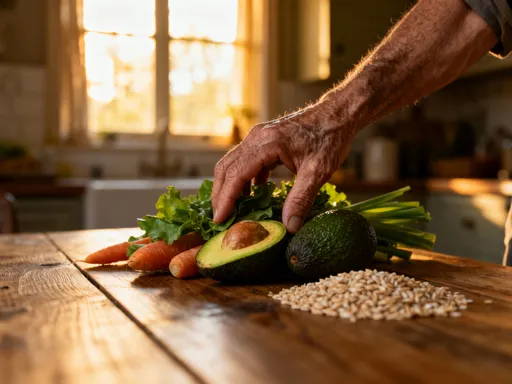
Principle 2: Choose complex carbs over refined ones. I used to eat a lot of white bread, pasta, and white rice. Now, I opt for whole grains like quinoa, brown rice, oats, and whole wheat bread. These foods are rich in fiber, which slows digestion and prevents blood sugar spikes. I also increased my intake of non-starchy vegetables—broccoli, spinach, zucchini, peppers—which add volume and nutrients without spiking insulin. Swapping refined carbs for complex ones helped me feel fuller longer and reduced cravings.
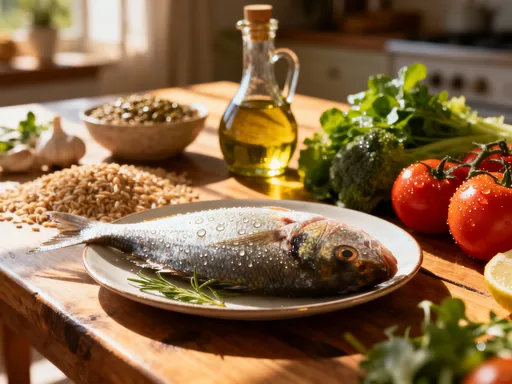
Principle 3: Prioritize healthy fats. I used to avoid fat, fearing it would make my liver worse. But I learned that healthy fats are essential. I started using olive oil for cooking and dressings. I added avocados to my salads and sandwiches. I snacked on a handful of raw nuts—almonds, walnuts, and pistachios—instead of chips. These fats are rich in monounsaturated and polyunsaturated fatty acids, which have been shown to reduce liver fat and inflammation. I didn’t overdo it—portion control still matters—but I stopped fearing fat. It became a friend, not an enemy.
Principle 4: Increase plant-based protein. I didn’t go fully vegetarian, but I reduced my reliance on red meat. Instead, I incorporated more beans, lentils, chickpeas, and tofu into my meals. These foods are high in fiber and protein, which support satiety and stable blood sugar. I found creative ways to use them—lentil soup, black bean tacos, chickpea curry. Even small changes, like adding beans to a salad or using lentils in place of half the ground meat in a sauce, made a difference. Plant proteins also tend to be lower in saturated fat, which benefits both liver and heart health.
What a Real Day of Eating Looks Like Now
People often ask me, "What do you actually eat?" It’s not complicated, but it’s intentional. Here’s a typical day in my current routine—one that supports liver health without feeling restrictive.
For breakfast, I might have oatmeal made with unsweetened almond milk, topped with a handful of berries, chia seeds, and a few walnuts. Sometimes I’ll have scrambled eggs with spinach and tomatoes, served with a slice of whole grain toast. I drink green tea or water with lemon. I avoid sugary cereals, pastries, and fruit juices. The key is balance: protein, fiber, and healthy fats to start the day steady.
Lunch is usually a large salad with mixed greens, cucumbers, carrots, and chickpeas or grilled chicken. I dress it with olive oil and apple cider vinegar. Other days, I’ll have a bowl of lentil soup with a side of steamed broccoli and quinoa. I pack my lunch most days to avoid the temptation of fast food or processed options. Portion size matters, but so does satisfaction. I eat until I’m comfortably full, not stuffed.
Dinner is often baked salmon or tofu with roasted vegetables—sweet potatoes, Brussels sprouts, or asparagus. I use herbs and spices like garlic, turmeric, and rosemary for flavor instead of heavy sauces or salt. I’ve learned that simple cooking brings out natural tastes. I limit red meat to once a week or less. Dessert, when I have it, is a few squares of dark chocolate or a small piece of fruit.
Snacks include Greek yogurt (unsweetened), apple slices with almond butter, or a small handful of mixed nuts. I plan my meals weekly, which helps me stay consistent. I shop with a list and keep healthy staples on hand. I don’t count calories, but I focus on quality. I also allow flexibility—a treat at a birthday party or a restaurant meal—without guilt. The goal isn’t perfection. It’s progress.
Beyond Food: Lifestyle Tweaks That Support Progress
Diet is the foundation, but other habits play a supporting role. One of the simplest yet most effective changes was increasing my water intake. I aim for at least eight glasses a day. Staying hydrated helps the liver flush out toxins and supports overall metabolism. I replaced sugary drinks with water, herbal teas, and the occasional sparkling water. This alone reduced my sugar intake significantly.
Physical activity, even in small doses, made a difference. I started with just 20 minutes of walking after dinner. Over time, I built up to 30 to 45 minutes most days. I didn’t need intense workouts—just consistent movement. Studies show that regular physical activity, even without weight loss, can reduce liver fat. Walking, gardening, or light strength training all count. The key is consistency, not intensity.
Sleep and stress management were unexpected game-changers. I used to stay up late, scrolling or worrying. But poor sleep disrupts hormones that regulate hunger and insulin. I now aim for 7 to 8 hours a night. I’ve also adopted simple stress-reduction practices—deep breathing, short meditation, or journaling. Chronic stress raises cortisol, which can worsen insulin resistance and fat storage. By addressing sleep and stress, I supported my liver from multiple angles.
What to Expect—and When to See a Doctor
Change didn’t happen overnight. In the first few weeks, I noticed improved energy and less bloating. After about three months, my follow-up blood test showed lower liver enzymes. My doctor was encouraged. By six months, my ultrasound showed a visible reduction in liver fat. Everyone’s timeline is different, but consistency is key. Reversing fatty liver is a gradual process, not a quick fix.
It’s important to have regular medical check-ups. Blood tests that measure liver enzymes (ALT, AST) and imaging studies like ultrasound or FibroScan can track progress. These tools help ensure that improvements are real and not just based on how you feel. I continue to see my doctor every six months for monitoring.
This journey has taught me that self-care isn’t selfish—it’s essential. I now view food as a form of daily kindness to my body. I listen to my hunger cues, honor my cravings in moderation, and focus on nourishment. I’ve also learned to be patient. Healing takes time. But every healthy meal, every walk, every good night’s sleep is a step forward.
Most importantly, I want to emphasize: this approach is not a substitute for medical care. If you’ve been diagnosed with fatty liver, work with your healthcare provider. They can help rule out other conditions, monitor your progress, and guide your treatment. Nutrition and lifestyle are powerful tools, but they work best as part of a comprehensive plan.
Reversing fatty liver isn’t about perfection—it’s about consistent, smart choices. By focusing on whole foods and sustainable habits, I regained energy and peace of mind. This journey taught me that small steps, grounded in science, can lead to real change. Your liver works for you every day; it’s time to return the favor—with kindness, care, and informed choices.