Why I Finally Started Taking Body Recovery Seriously — And You Should Too
Aging isn’t just about wrinkles—it’s how your body bounces back. For years, I ignored recovery, thinking rest was for the weak. But constant fatigue and slow healing told me something was off. Turns out, prioritizing recovery isn’t lazy; it’s smart. This is what I’ve learned about slowing aging by letting my body heal, in simple, doable ways that actually fit real life. What began as a quiet discomfort—a stiffness that lingered too long, a tiredness that coffee couldn’t fix—grew into a wake-up call. I wasn’t recovering well, and that was accelerating the very signs of aging I wanted to delay. Now, recovery isn’t something I schedule around life. It is part of life. And if you’re feeling the same subtle shift—like your body isn’t quite keeping up—this is for you.
The Wake-Up Call: When Recovery Became Non-Negotiable
For most of my adult life, I measured success by how much I could do in a day. Early mornings, long work hours, weekend errands, and squeezing in workouts between it all—I wore exhaustion like a badge of honor. I believed pushing through fatigue was strength. But around my mid-40s, the cost became impossible to ignore. Simple tasks left me drained. A long walk resulted in soreness that lasted days. Even minor injuries took longer to heal. I wasn’t just tired; I felt like my body had lost its resilience.
The turning point came after a minor fall on a hiking trail. What should have been a bruise and a stiff knee turned into weeks of discomfort. My doctor didn’t offer a diagnosis, but she asked a question that changed everything: “How much time are you giving your body to recover?” I didn’t have an answer. I realized I had equated rest with failure, and in doing so, I had neglected the very process that keeps the body functioning well. That moment sparked a shift—not toward doing less, but toward doing differently. I began to see recovery not as downtime, but as active maintenance for long-term health.
This wasn’t about giving up an active lifestyle. It was about recognizing that aging changes how the body responds to stress. While youth allows for quick rebounds, the older we get, the more our systems need support to repair and regenerate. Ignoring recovery doesn’t make us tougher—it makes us more vulnerable. My journey from denial to awareness wasn’t dramatic, but it was profound. I stopped asking how much I could endure and started asking how well I could recover. That small shift in mindset laid the foundation for everything that followed.
What Is Body Recovery, Really? (And Why It’s the Secret to Aging Well)
Recovery is often misunderstood as simply resting after exercise. But in truth, it’s a complex biological process that happens continuously—repairing tissues, balancing hormones, reducing inflammation, and restoring energy. It’s the quiet work your body does when you’re not demanding performance. Think of it like home maintenance: if you never clean the gutters, fix leaks, or repaint the walls, the structure eventually weakens. The same is true for the human body. Without consistent recovery, wear and tear accumulate, accelerating signs of aging like joint stiffness, low energy, and slower healing.
At the cellular level, recovery involves processes like autophagy—the body’s way of clearing out damaged cells—and protein synthesis, which rebuilds muscle and connective tissue. These functions are most active during sleep and periods of low stress. As we age, these processes naturally slow down. Studies show that by middle age, the body’s ability to repair itself declines significantly, especially if recovery is not prioritized. Poor recovery doesn’t just leave you sore; it contributes to chronic inflammation, a known driver of age-related conditions.
The connection between recovery and aging is supported by growing scientific consensus. Research from the National Institutes of Health highlights that individuals who prioritize rest, sleep, and stress management tend to have longer telomeres—the protective caps on chromosomes associated with cellular longevity. In other words, how well you recover may influence how quickly your cells age. This isn’t about vanity; it’s about function. The goal isn’t to look younger, but to stay strong, mobile, and independent as the years pass. Recovery is not a luxury. It’s a biological necessity—one that becomes more critical with time.
The Beginner’s Trap: Why Most People Get Recovery Wrong
When I first started exploring recovery, I made every common mistake. I thought recovery meant doing nothing—lying on the couch, guilty for not being productive. I also assumed that if I wasn’t sore after a workout, I hadn’t worked hard enough. These beliefs are widespread, especially among people who have spent years equating busyness with worth. But recovery isn’t laziness. In fact, it’s the opposite: it’s an intentional practice that supports long-term health and performance. The trap many fall into is seeing recovery as passive, when it’s actually an active investment in well-being.
Another common error is relying on quick fixes. I tried everything from expensive supplements to weekend spa retreats, hoping for instant results. While these can be helpful occasionally, they don’t replace daily habits. True recovery isn’t found in a single massage or a bottle of pills—it’s built through consistency. The body thrives on routine: regular sleep, steady hydration, and mindful movement. Without these foundations, even the most luxurious recovery tools offer only temporary relief.
Perhaps the most dangerous mistake is ignoring early warning signs. Many women in their 30s, 40s, and 50s dismiss fatigue, brain fog, or joint stiffness as “just part of getting older.” But these are not normal inconveniences—they are signals. They indicate that the body is struggling to keep up. When recovery is neglected, the body operates in a constant state of deficit, which over time leads to burnout, weakened immunity, and increased injury risk. Recognizing these signals as valid, not trivial, is the first step toward change. Recovery isn’t about fixing a problem—it’s about preventing one.
My Simple Recovery Routine That Actually Works
I didn’t overhaul my life overnight. Instead, I started with small, sustainable changes—what I now call my “non-negotiables.” The first is hydration. I begin each day with a glass of water and keep a bottle nearby at all times. Dehydration worsens fatigue and slows healing, so staying hydrated is one of the simplest yet most effective recovery habits. I also focus on “movement snacks”—short bursts of gentle activity throughout the day, like stretching after sitting for an hour or taking a five-minute walk after meals. These micro-movements improve circulation and prevent stiffness without strain.
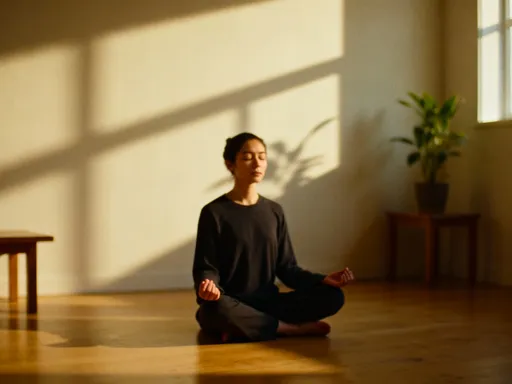
Another key habit is intentional breathing. For just three to five minutes each morning and evening, I practice slow, deep breaths. This activates the parasympathetic nervous system, which helps the body shift from “fight or flight” to “rest and digest.” It’s a simple practice, but it makes a noticeable difference in how calm and centered I feel. I also prioritize a nightly wind-down routine. One hour before bed, I turn off screens and dim the lights. I read, journal, or listen to soft music. This digital detox helps signal to my brain that it’s time to slow down, making it easier to fall asleep and stay asleep.
My sleep environment has also changed. I invested in breathable, natural-fiber bedding and keep the room cool and dark. These small adjustments have improved my sleep quality significantly. On a weekly basis, I schedule at least one full rest day. But rest doesn’t mean inactivity. I might take a slow walk in nature, do light yoga, or spend time gardening. The goal is gentle movement that supports circulation without taxing the body. This rhythm—daily habits, nightly wind-down, and weekly rest—has become the backbone of my recovery. It’s not complicated, but it’s consistent. And consistency, more than intensity, is what the body responds to.
How Small Habits Create Big Anti-Aging Results
It’s easy to underestimate the power of small habits. But over time, they compound into meaningful change. Take hydration: water is essential for every cellular function, including the removal of waste and the delivery of nutrients. When the body is well-hydrated, joints stay lubricated, skin remains supple, and energy levels stabilize. Even mild dehydration can impair cognitive function and increase fatigue—symptoms often mistaken for aging. By simply drinking enough water, you support your body’s natural renewal processes.
Sleep is another cornerstone of recovery. During deep sleep, the body releases growth hormone, which aids in tissue repair and muscle recovery. This is also when the brain clears out metabolic waste, supporting mental clarity and focus. Poor sleep doesn’t just leave you tired—it disrupts hormone balance, increases inflammation, and weakens immunity. Prioritizing sleep isn’t indulgent; it’s protective. Women who get consistent, high-quality sleep often report better mood, sharper memory, and faster recovery from daily stress.
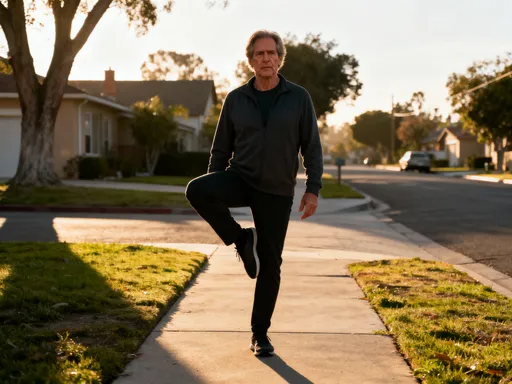
Gentle movement plays a crucial role too. While intense workouts have their place, low-impact activities like walking, stretching, or tai chi improve circulation, reduce stiffness, and lower stress hormones. These forms of movement are especially beneficial as we age, when joints and muscles need care, not punishment. Regular gentle activity helps maintain mobility, prevents falls, and supports cardiovascular health. It’s not about burning calories—it’s about keeping the body fluid and responsive. Together, these small habits form a powerful defense against the wear and tear of daily life. They don’t reverse time, but they help you age with strength and grace.
Tools That Help (Without Breaking the Bank or Your Brain)
I used to think effective recovery required expensive gear or high-tech solutions. But I’ve learned that tools are only as good as the habits behind them. That said, a few affordable, science-backed tools have made a real difference. A foam roller, for example, is a simple device that helps release muscle tension and improve flexibility. Using it for just five to ten minutes a day can reduce soreness and increase range of motion. It’s not glamorous, but it’s effective.
Sleep trackers are another helpful tool. While they don’t replace good sleep habits, they provide insight into sleep patterns—how long you sleep, how often you wake, and how much time you spend in deep sleep. This data can help you identify what’s working and what needs adjustment. I don’t obsess over the numbers, but I use them as feedback. Breathable bedding made from natural materials like cotton or bamboo also makes a difference. These fabrics regulate temperature better than synthetics, helping maintain a cool, comfortable sleep environment.
There are many high-tech recovery gadgets on the market—red light therapy devices, percussion massagers, wearable recovery monitors. Some have merit, but many are overhyped. The truth is, no gadget can replace consistent hydration, quality sleep, and mindful movement. Tools should support your routine, not replace it. The most powerful recovery “tool” is awareness—paying attention to how your body feels and responding with care. When used wisely, simple tools can enhance your efforts, but they’re not the foundation. Habits are.
Staying Motivated When Progress Feels Invisible
One of the hardest parts of recovery is that results don’t always show up right away. You won’t wake up one day with dramatically more energy or suddenly feel ten years younger. Progress is subtle: you might notice you’re less stiff in the mornings, or that you bounce back faster after a busy day. These small wins matter, but they’re easy to overlook. That’s why tracking is important—not with numbers, but with awareness. I keep a simple journal where I note my energy levels, mood, and how I feel after physical activity. Over time, patterns emerge, and that builds motivation.
Another key to staying consistent is shifting your identity. Instead of seeing yourself as someone who “should” rest, start seeing yourself as someone who values recovery. This mindset change turns recovery from a chore into a priority. It’s no longer something you do when you have time—it becomes part of who you are. I remind myself that taking care of my body isn’t selfish; it’s responsible. It allows me to show up fully for my family, my work, and my life.
Finally, it helps to think long-term. Recovery isn’t a trend or a short-term fix. It’s a lifestyle shift—one that pays off most in the later years. The habits you build now will determine how well you move, think, and feel in your 60s, 70s, and beyond. It’s not about achieving perfection. It’s about showing up, day after day, with kindness and consistency. The body responds to that. And over time, it rewards you with resilience, clarity, and vitality.
Recovery isn’t the opposite of progress—it’s the foundation. By learning to rest well, move gently, and listen closely, we give our bodies the chance to stay resilient. This isn’t about turning back time, but about aging with strength, clarity, and vitality. Start small, stay consistent, and let your body recover its rhythm.