What I Learned About Healing After Baby — A Real Talk Guide
After giving birth, I felt broken in ways no one warned me about — physically, emotionally, and mentally. Recovery wasn’t just about healing my body; it was about reclaiming my strength, energy, and sense of self. This journey taught me that postpartum rehabilitation isn’t a luxury — it’s a necessity. Here’s what actually helped me heal, step by step, with real methods that made a difference. It wasn’t about bouncing back into old jeans or returning to pre-pregnancy workouts. It was deeper — a reconnection with my body, a shift in mindset, and a commitment to long-term well-being. This guide shares the truths I wish I’d known earlier, grounded in science, supported by professionals, and shaped by real experience.
The Hidden Reality of Postpartum Recovery
Many women enter motherhood believing recovery after childbirth should be quick and invisible. Media images of celebrities “snapping back” weeks after delivery reinforce a dangerous myth: that healing is a race. In reality, the postpartum period is one of the most transformative and demanding phases in a woman’s life. The body has undergone profound changes — nine months of hormonal shifts, weight gain, and structural adaptations to support a growing baby, followed by the physical stress of labor and delivery. Yet, this critical recovery phase is often overlooked, minimized, or misunderstood.
Most prenatal education focuses on labor and delivery, with little attention given to what happens after the baby arrives. Women are frequently discharged from hospitals within days of giving birth, expected to care for a newborn while their bodies are still in active recovery. This gap in care leaves many feeling isolated and overwhelmed. They may experience pain, fatigue, incontinence, or emotional fluctuations, only to be told these are “normal” and will “just go away with time.” While some discomfort is expected, persistent symptoms should not be dismissed as inevitable.
True postpartum recovery is not about returning to who you were before pregnancy. It’s about adapting to a new version of yourself — one that has carried and delivered a human being. This process requires time, patience, and intentional care. Viewing recovery as a journey, rather than a finish line, allows women to approach healing with compassion and realistic expectations. It shifts the focus from appearance to function, from speed to sustainability. Recognizing this mindset early can prevent long-term complications and support a healthier transition into motherhood.
Understanding Your Body After Birth: What No One Tells You
Childbirth brings significant physical changes, many of which are rarely discussed in depth. One of the most common is pelvic floor weakness. The pelvic floor muscles, which support the bladder, uterus, and bowels, are stretched and strained during pregnancy and delivery. This can lead to urinary incontinence, pelvic organ prolapse, or a feeling of heaviness in the pelvic region. While these symptoms are common, they are not normal in the sense that they should be accepted without intervention. With proper care, most women can regain strength and function.
Another often-overlooked condition is diastasis recti — the separation of the abdominal muscles along the midline of the stomach. This occurs in nearly two-thirds of pregnant women, especially in the third trimester, as the growing uterus pushes against the abdominal wall. While mild separation is a natural part of pregnancy, excessive or persistent diastasis can impair core stability, contribute to lower back pain, and affect posture. Many women mistakenly believe that crunches or intense ab workouts will fix this, but these exercises can actually worsen the condition if done too soon or incorrectly.
Hormonal shifts also play a crucial role in postpartum recovery. After delivery, estrogen and progesterone levels drop sharply, which can affect mood, energy, and tissue healing. The hormone relaxin, which loosens ligaments during pregnancy to prepare the body for childbirth, remains in the system for several months. This means joints and connective tissues are more elastic and vulnerable to strain during the early postpartum period. Understanding these biological realities helps women make informed decisions about movement, exercise, and self-care. It’s not a sign of weakness to move slowly — it’s a sign of wisdom.
Why Rehabilitation Is More Than Just Exercise
Postpartum rehabilitation is often mistaken for a fitness routine — something to jump into once the doctor gives the green light at the six-week checkup. But true rehab goes far beyond physical activity. It is a holistic practice that includes movement, rest, nutrition, emotional well-being, and professional guidance. The goal is not to burn calories or lose weight, but to restore function, rebuild strength, and reestablish a healthy relationship with your body.
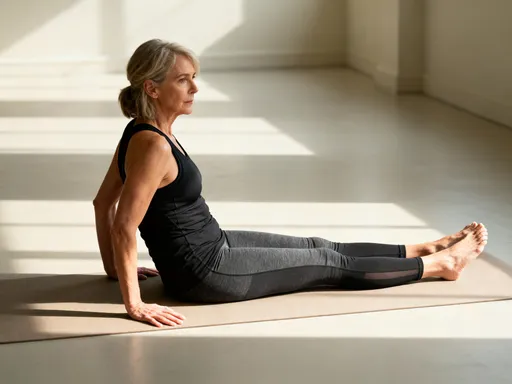
Early postpartum movement should focus on reconnection, not intensity. Gentle practices like diaphragmatic breathing, pelvic tilts, and mindful walking help reawaken muscles that may have been dormant during pregnancy. These small actions stimulate blood flow, support organ realignment, and improve neuromuscular communication. They also lay the foundation for more advanced exercises later on. In contrast, jumping into high-impact workouts or heavy lifting too soon can increase the risk of injury, worsen pelvic floor dysfunction, and delay healing.
Mindset is another essential component of rehabilitation. Many women struggle with feelings of inadequacy or impatience during recovery. They may compare themselves to others or feel pressure to “get back to normal” quickly. But healing is not linear. Some days will feel better than others, and that’s okay. Practicing self-compassion — treating yourself with the same kindness you would offer a friend — can make a significant difference in emotional resilience. Additionally, seeking support from partners, family, or community groups can reduce isolation and provide practical help during this demanding time.
First Steps: Safe Ways to Begin Healing (Weeks 1–6)
The first six weeks after childbirth are a critical window for healing. This period, often called the “fourth trimester,” is when the body begins to repair itself. While every woman’s experience is different, there are universal principles that support safe and effective recovery. The focus should be on foundational practices that promote circulation, tissue healing, and gradual reactivation of the core and pelvic floor.
Breathwork is one of the most powerful tools available during this phase. Diaphragmatic breathing — deep, slow breaths that expand the belly rather than the chest — helps activate the transverse abdominis, the deepest layer of core muscle. It also stimulates the parasympathetic nervous system, reducing stress and supporting relaxation. Practicing this for just five minutes a day can improve oxygen flow, aid digestion, and begin the process of reconnecting with your core.
Gentle mobility exercises are equally important. Simple movements like ankle circles, knee drops, and pelvic rocks can prevent stiffness, improve circulation, and gently engage the abdominal and pelvic muscles. These should be done slowly and without strain. Pain is a signal — not a challenge to push through. If an exercise causes discomfort, it should be modified or paused. Listening to your body’s cues is a skill that supports long-term recovery.
Pelvic floor awareness is another key practice. Many women are unsure how to engage these muscles correctly. A simple way to begin is by practicing Kegels — gently tightening the muscles used to stop the flow of urine — but only if recommended by a healthcare provider. Overdoing Kegels or performing them incorrectly can lead to muscle tension or dysfunction. When in doubt, consulting a women’s health physiotherapist can provide personalized guidance and ensure proper technique.
Building Strength Back: The Core and Pelvic Floor Connection
As the body heals, the focus gradually shifts from restoration to rebuilding. However, this transition must be approached with care. The core and pelvic floor work as a team — when one is weak, the other compensates. Restoring their coordination is essential for long-term strength, stability, and injury prevention. This process is not about doing more; it’s about doing it right.
Safely retraining the core begins with low-load exercises that emphasize control and alignment. Exercises like dead bugs, heel slides, and modified planks (performed on the knees) can help re-engage the deep abdominal muscles without increasing intra-abdominal pressure. These movements should be performed with attention to breathing — exhaling during exertion to avoid bearing down, which can strain the pelvic floor. Consistency is more important than intensity. Ten minutes of mindful movement every day yields better results than an hour of intense exercise once a week.
Daily habits also play a crucial role in supporting recovery. Proper lifting technique — bending at the knees, engaging the core, and avoiding twisting — protects the back and pelvic floor when picking up a baby or carrying groceries. Posture adjustments, such as sitting with support for the lower back and avoiding prolonged sitting, reduce strain on healing tissues. Mindful movement throughout the day — standing up regularly, stretching gently, and avoiding high-impact activities — supports gradual progress without setbacks.
It’s also important to recognize that healing continues long after the six-week mark. Many women assume they can return to all activities once cleared by their doctor, but full recovery can take months or even years, especially if complications arose during delivery. Patience and persistence are key. Small, consistent actions compound over time, leading to noticeable improvements in strength, energy, and confidence.
When to Seek Help and What to Expect from Professional Support
While some discomfort is expected after childbirth, certain symptoms should not be ignored. Persistent pelvic or abdominal pain, urinary or bowel incontinence, a visible bulge along the midline of the abdomen, or difficulty performing daily activities are red flags that professional help is needed. These are not signs of failure — they are signals that the body needs targeted support. Delaying care can lead to long-term issues that are more difficult to treat.
Women’s health physiotherapists are specially trained to assess and treat postpartum conditions. They can perform internal and external evaluations to determine the strength and function of the pelvic floor, assess diastasis recti, and create personalized rehabilitation plans. Their guidance goes beyond exercises — they educate on proper movement patterns, bladder habits, and lifestyle modifications that support healing. Many women report feeling empowered after their first session, finally understanding what their body needs.
Seeking help is not a sign of weakness — it’s an act of strength. Unfortunately, stigma and lack of awareness often prevent women from speaking up. They may feel embarrassed about incontinence or assume their concerns aren’t serious enough to warrant medical attention. But healthcare providers are there to support, not judge. Asking questions, requesting referrals, and advocating for your own care are essential steps in the recovery journey.
Other professionals, such as lactation consultants, mental health counselors, and registered dietitians, can also play valuable roles in postpartum wellness. Healing is multidimensional, and a team-based approach ensures all aspects of health are addressed. Don’t hesitate to reach out — you deserve comprehensive care.
Long-Term Healing: Making Recovery a Lifestyle, Not a Phase
True postpartum healing doesn’t end at six weeks, three months, or even one year. It’s an ongoing process that evolves as your body and life change. Rather than viewing recovery as a temporary phase to get through, consider it the foundation for lifelong health. The habits you build now — mindful movement, body awareness, self-compassion — can serve you for decades to come.
Shifting your mindset from “getting back” to “building forward” can be transformative. You are not trying to return to who you were before pregnancy — you are becoming someone stronger, wiser, and more resilient. This perspective reduces pressure and fosters appreciation for progress, no matter how small. Celebrating non-scale victories — like carrying your baby without pain, laughing without leaking, or sleeping more soundly — reinforces positive change.
Patience is essential. There will be days when progress feels slow or setbacks occur. Illness, lack of sleep, or increased physical demands can temporarily affect your recovery. On those days, kindness matters more than performance. Rest is not failure — it’s part of the process. Trust that your body knows how to heal, even if it takes time.
Finally, remember that you are not alone. Millions of women have walked this path, and many are walking it with you now. Sharing stories, asking for help, and supporting one another creates a community of strength and understanding. Healing after baby is not a journey you have to face in silence. With the right knowledge, support, and self-compassion, it can become one of the most empowering experiences of your life.