How I Bounced Back: Real Talk on Women’s Health Recovery
Recovering from physical setbacks can feel overwhelming, especially for women juggling daily responsibilities. I’ve been there—exhausted, unsure where to start. But small, consistent changes made a noticeable difference in my energy, strength, and overall well-being. This is not about quick fixes, but real, science-backed strategies that support long-term rehabilitation. Let’s explore how to heal with intention and resilience.
Understanding Women’s Health and Rehabilitation Needs
Women’s bodies are uniquely shaped by biological and hormonal rhythms that significantly influence how they heal. Unlike one-size-fits-all recovery models, effective rehabilitation must account for these intrinsic differences. For example, estrogen and progesterone fluctuations across the menstrual cycle affect inflammation, pain perception, and tissue repair rates. During perimenopause and menopause, declining hormone levels can slow metabolism, reduce muscle mass, and increase joint stiffness—all of which impact recovery timelines.
Additionally, women typically have a higher percentage of body fat and lower muscle mass compared to men, which affects strength restoration and endurance development post-injury or illness. These physiological distinctions mean that recovery plans designed for general populations may not meet the specific needs of women. Pushing too hard too soon can lead to setbacks, while overly cautious approaches may delay progress. The key lies in personalization—understanding one’s own body and its signals.
Metabolism also shifts with age and life stage, particularly after childbirth or surgery. A woman recovering from abdominal surgery, for instance, may need more protein and targeted core rehabilitation than someone recovering from a respiratory illness. Recognizing these nuances allows for more effective planning. It’s not about comparing progress to others, but honoring individual healing curves and biological realities.
Furthermore, chronic stress—common among women balancing caregiving, work, and personal health—can impair immune function and delay healing. Elevated cortisol levels interfere with tissue regeneration and sleep quality, both critical to recovery. Therefore, a holistic view of women’s health must include emotional well-being alongside physical rehabilitation. Acknowledging these interconnected factors is the first step toward building a recovery plan that truly works.
The Mindset Shift: Patience Over Pressure
One of the most overlooked aspects of recovery is the mental and emotional landscape. Many women, accustomed to managing multiple roles, feel pressured to return to full productivity quickly. This pressure often leads to overexertion, which can undo progress and prolong healing. The belief that “pushing through” equals strength is deeply ingrained, but in rehabilitation, it can be counterproductive.
Emotional responses such as frustration, impatience, and self-doubt are common during recovery. These feelings are not signs of weakness, but natural reactions to a loss of control and independence. Understanding this can help women approach their healing journey with greater compassion. Research shows that mental resilience directly influences physical recovery outcomes. The brain’s ability to adapt—known as neuroplasticity—means that positive thinking, mindfulness, and emotional regulation can enhance healing processes.
Stress, particularly chronic stress, triggers the release of cortisol, which suppresses immune function and increases inflammation. This biological response can slow tissue repair and exacerbate pain. Therefore, cultivating a calm, patient mindset is not just emotionally beneficial—it’s physiologically protective. Techniques such as guided meditation, deep breathing exercises, and cognitive reframing can help manage stress and support the body’s natural healing rhythms.
Practical strategies to foster a healthy mindset include journaling daily reflections, setting micro-goals, and celebrating non-scale victories—such as walking an extra block or completing a gentle stretch without pain. These small achievements build confidence and reinforce progress. It’s also helpful to reframe recovery not as a setback, but as an investment in long-term health. Viewing this time as an opportunity to rebuild stronger and more mindfully can shift perspective from frustration to empowerment.
Movement That Supports Healing (Not Hurts)
Physical activity is a cornerstone of recovery, but the type, intensity, and timing of movement must be carefully considered. The goal is not to achieve peak performance, but to stimulate circulation, maintain joint mobility, and gradually rebuild strength. Low-impact activities are often the safest and most effective starting point for women in rehabilitation.
Walking, for example, is a simple yet powerful form of exercise that enhances blood flow, supports cardiovascular health, and improves mood through endorphin release. Starting with short, frequent walks—such as 10 minutes three times a day—allows the body to adapt without strain. As endurance improves, duration can be increased gradually. The key is consistency, not speed or distance.
Gentle yoga is another excellent option, particularly for women recovering from surgery or managing chronic pain. Yoga emphasizes breath awareness, controlled movement, and gentle stretching, all of which promote relaxation and joint flexibility. Poses like cat-cow, child’s pose, and seated forward bends can be modified to accommodate different ability levels. Studies have shown that regular yoga practice reduces inflammation markers and improves balance and coordination—critical elements in fall prevention and functional recovery.
Resistance band exercises offer a safe way to rebuild muscle strength without placing excessive load on joints. Bands provide variable resistance and can be used for upper and lower body movements while seated or standing. Exercises like bicep curls, shoulder presses, and leg extensions help reactivate muscles that may have weakened during periods of inactivity. The emphasis should always be on proper form and controlled motion, not the amount of resistance used.
Creating a weekly movement schedule helps establish routine and track progress. A sample plan might include walking on Mondays, Wednesdays, and Fridays, gentle yoga on Tuesdays and Saturdays, and resistance band work on Thursdays, with Sundays as a rest day. This structure provides variety while allowing time for recovery. Listening to the body’s feedback—such as increased fatigue or joint discomfort—is essential for adjusting intensity and preventing overuse injuries.
Nutrition as a Foundation for Recovery
Healing begins at the cellular level, and the body requires high-quality nutrients to repair tissues, restore energy, and support immune function. Nutrition is not just about calories—it’s about providing the building blocks for recovery. Protein, in particular, plays a vital role in muscle repair and immune health. Women recovering from illness or surgery may need more protein than usual, ideally distributed evenly throughout the day.
Aim for 20–30 grams of protein per meal from sources such as lean poultry, fish, eggs, Greek yogurt, legumes, and tofu. This practice, known as protein spacing, helps maintain muscle mass and prevents the energy crashes associated with blood sugar fluctuations. Including protein in every meal also promotes satiety, reducing the temptation to reach for sugary snacks that can impair healing.
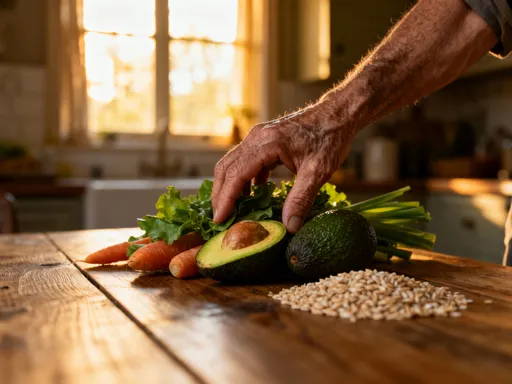
Healthy fats are equally important. Omega-3 fatty acids, found in fatty fish, walnuts, chia seeds, and flaxseeds, have anti-inflammatory properties that support joint health and reduce recovery-related inflammation. Monounsaturated fats from avocados, olive oil, and nuts contribute to hormone production and cell membrane integrity—both crucial during healing phases.
Iron and magnesium are two essential minerals often overlooked in recovery diets. Iron supports oxygen transport in the blood, which is vital for energy and tissue repair. Women, especially those with heavy menstrual cycles or recent blood loss, are at higher risk for deficiency. Good dietary sources include spinach, lentils, fortified cereals, and lean red meat (in moderation). Magnesium, involved in over 300 enzymatic reactions, supports muscle function, nerve signaling, and sleep regulation. Deficiency can lead to muscle cramps and fatigue. Leafy greens, pumpkin seeds, bananas, and dark chocolate are excellent sources.
Hydration is another foundational element. Water supports every metabolic process, including nutrient transport and waste removal. Dehydration can mimic fatigue and slow recovery. Aim for at least 8 cups of fluids daily, more if active or in hot climates. Herbal teas, broths, and water-rich fruits like cucumbers and watermelon can contribute to fluid intake.
Meal planning can simplify healthy eating during recovery. A sample day might include oatmeal with berries and chia seeds for breakfast, a grilled chicken salad with avocado and olive oil dressing for lunch, and baked salmon with quinoa and steamed broccoli for dinner. Snacks like Greek yogurt, apple slices with almond butter, or a handful of mixed nuts keep energy stable. Avoiding processed foods, excess sugar, and alcohol supports immune function and reduces inflammation.
Rest, Sleep, and the Power of Downtime
While movement and nutrition are visible components of recovery, rest is where the body does its deepest healing. Tissue repair, hormone regulation, and immune system reinforcement occur primarily during sleep. Yet, many women struggle with sleep quality, especially during hormonal transitions like perimenopause or after stressful medical events.
Sleep deprivation disrupts the production of growth hormone, which is essential for muscle and tissue repair. It also increases cortisol levels, promoting inflammation and impairing immune response. Even one night of poor sleep can affect mood, concentration, and pain tolerance—critical factors in recovery. Therefore, prioritizing sleep is not a luxury, but a necessity.
Common sleep challenges for women include difficulty falling asleep, frequent waking, and early morning awakenings. These issues can be exacerbated by stress, hormonal shifts, or discomfort from recovery-related pain. Implementing science-backed sleep hygiene practices can make a meaningful difference. Establishing a consistent bedtime and wake time—even on weekends—helps regulate the body’s internal clock.
A wind-down routine signals the brain that it’s time to rest. This might include dimming lights, reading a book, taking a warm bath, or practicing gentle stretching. Avoiding screens at least one hour before bed reduces exposure to blue light, which suppresses melatonin production. Keeping the bedroom cool, quiet, and free of distractions supports uninterrupted sleep.
Napping can be beneficial if done strategically. A short nap of 20–30 minutes in the early afternoon can restore energy without interfering with nighttime sleep. However, longer or late-day naps may disrupt the sleep cycle. Active recovery days—where light movement like walking or stretching replaces intense exercise—also serve as mental and physical downtime, allowing the body to integrate progress without overexertion.
Building a Support System That Works
Recovery is not a journey that should be navigated alone. A strong support system enhances both emotional well-being and physical outcomes. Professional guidance from doctors, physical therapists, and registered dietitians ensures that recovery plans are safe, effective, and tailored to individual needs.
Physical therapists, for example, can design personalized exercise programs that address specific limitations and prevent compensatory injuries. They also provide hands-on techniques such as manual therapy or gait training when needed. Regular check-ins with healthcare providers allow for adjustments based on progress and any emerging concerns.
Emotional support from family, friends, or support groups is equally vital. Sharing experiences reduces feelings of isolation and provides encouragement during difficult moments. However, many women hesitate to ask for help, fearing they will be a burden. Learning to communicate needs clearly and set boundaries is essential. Phrases like “I need 30 minutes of quiet time to rest” or “Could you help with grocery shopping this week?” are direct yet respectful.
Accountability partners—whether a friend, spouse, or online community—can help maintain motivation. Sharing goals and progress creates a sense of commitment and celebration. Group-based recovery programs, such as cardiac rehab or postpartum wellness classes, offer structured support and peer connection. These environments foster encouragement and normalize the challenges of healing.
It’s also important to recognize when professional mental health support is needed. Persistent feelings of sadness, anxiety, or hopelessness during recovery may indicate the need for counseling. Therapists trained in health psychology can help women process emotional challenges and develop coping strategies that support overall healing.
Tracking Progress and Staying Motivated
Motivation can wane when progress feels slow or invisible. Yet, healing is often a gradual process with subtle milestones. Tracking changes—both physical and emotional—helps make progress tangible. Simple tools like symptom logs, energy charts, or movement journals allow women to see improvements over time, even when they don’t feel dramatically different day to day.
For example, noting that walking to the mailbox no longer causes shortness of breath, or that morning stiffness lasts 10 minutes instead of 30, are meaningful gains. Recording these moments reinforces the value of consistent effort. Apps or paper journals can be used, depending on preference. The key is consistency and honesty in tracking.
However, it’s important to avoid obsessive monitoring. Constantly checking numbers—such as weight or step count—can increase anxiety and distort self-worth. Instead, focus on functional improvements: Can you climb stairs more easily? Do you sleep more soundly? Are you less reliant on pain medication? These are more accurate indicators of recovery than any single metric.
Setbacks are a normal part of healing. A flare-up of pain or a day of low energy does not mean failure. Adjusting expectations and responding with self-compassion—rather than criticism—is crucial. Ask: What does my body need today? Is rest more important than movement? Flexibility in planning prevents discouragement and supports long-term adherence.
Maintaining motivation also involves celebrating progress, no matter how small. Rewarding oneself with a favorite book, a relaxing bath, or time in nature reinforces positive behavior. Visual reminders, such as a progress board or photo timeline, can provide encouragement during tough days. Remember, healing is not linear—it’s a journey of resilience, learning, and growth.
Rehabilitation is not just about returning to “normal”—it’s an opportunity to rebuild stronger, smarter, and more mindfully. For women, honoring their unique needs during recovery leads to lasting health gains. By combining patience, science-backed habits, and self-compassion, true healing becomes possible. Always consult a healthcare provider before starting any recovery plan—your journey is personal, and support is essential.